
Testosterone Levels’ Link to General Health in Men
 A study has shown that serum testosterone concentration in men may have links to fitness and health levels that can serve as an indicator of general health. These studies are exploring how testosterone content may affect all-cause mortality in older men and what it may mean for men as they age.
Testosterone Concentration in Men
Testosterone (T) is a hormone produced by males in the testicles after a communication pathway called the HPA axis from the hypothalamus to the pituitary gland through the adrenals and to the gonads. While it is also present by women, it is produced in much higher concentrations in men. It is responsible for maintaining energy, bone density, muscles mass, sperm production and sex drive, along with other traits, and is associated with maintaining many of the characteristics associated with men.
The level of T concentration in men peaks and declines at given points in their lifetime. In general, serum T concentration is highest in adolescence and young adulthood, when it is at its peak. However, as men age, its levels commonly undergo a steady decline. Men peak at age and experience a range of one to two percent decline in their concentration.
Testosterone levels and their links to health
Scientists have been exploring possible links of testosterone as an indicator of men’s health conditions, studying the correlation of low T with general health and mortality.
One study has discovered that while a decline in men’s T levels of one to two percent is considered normal, a sudden and immediate drop in testosterone concentration may be associated with an increased probability of mortality. Based on observations, a low level of serum testosterone concentration in men is seen as associated with risk factors such as diabetes and cardiovascular problems. However, while these conditions may be associated with illnesses and premature death, the FDA is not saying they see a direct causational effect between decreasing testosterone and longevity.
Scientific Testosterone Studies
Currently, available studies tackling the topic have produced mixed results. In one study researching a sample of 794 men, it was concluded that men whose testosterone levels were in the lowest quartile of test subjects were at a 40% greater risk of mortality in comparison to those men who had higher levels. A 15 year study of US military veterans also showed that men with low T levels, treated under physician guidance and supplemented back to normal levels above 500, had lower incidence of heart attack, stroke, prostate cancer and death.
In an effort to consolidate all the data and results from these previous researches, a newer study examined multiple works from 1966 to 2010 in order to gain a clearer and more definitive understanding of testosterone levels and mortality. In addition to testosterone levels, it also took into account lifestyle factors, age and other characteristics that may affect results.
Low Testosterone and Higher Mortality or Cardiovascular Risk
Ultimately, the research concluded that a decline in total testosterone was linked with cardiovascular mortality by 25% and with higher susceptibility to general, all-cause mortality by 35%.
The study did note that other factors may influence the relative risk that was determined in the study. Among these, researchers noted the age of the population studied, the total testosterone level and the amount of years the patient followed up as possible sources of differences within the study. The study also observed the most susceptible demographics for larger relative risks. These included patients with lower levels of testosterone, older men and patients who followed up for a smaller amount of years.
As a conclusion, the data gathered from this research establishes low T as a possible basis or indicator of general health in men. However, while it may be seen as a marker of higher susceptibility to all-cause mortality, it is not strictly a direct source of it. Overall, there remains much to be learned about the two.
Hormone Therapeutics
Aside from being and indicator of one’s general well-being, testosterone levels and hormone balance are traits that can greatly affect one’s quality of life. As men age, it becomes important to monitor these factors in order to gain a better idea of one’s health and fitness.
Hormone Therapeutics specializes in assisting people with endocrine-related concerns in order to help them monitor and regulate the level of hormones in their bodies. If you have any inquiries regarding your testosterone level and what it means for you, Hormone Therapeutics can help you jumpstart your life and provide you with the answers you need.
Testosterone Levels’ Link to General Health in Men
Saleamp Design April 12th, 2016
Posted In: Testosterone Therapy
Tags: adrenals, bone density, cardiovascular, energy, health, hormone replacement therapy, HPA axis, hypothalamus, low t, low testosterone, mortality, muscles mass, pituitary glands, sex drive, sperm, testosterone, testosterone therapy
Causes and Modern Treatments for Hair Loss
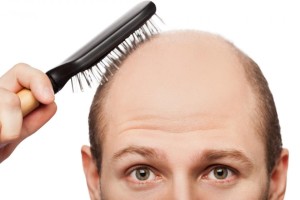 In an independent study, Relevant Research, Inc. determined that 40% of men experience noticeable hair loss by the age of 35. By age 60, 65% of men will suffer from balding or thinning hair. For some men, the problem begins at an even younger age, as early as their 20s.
The Mayo Clinic reports that the genetic condition commonly called male (or female) pattern baldness is the most common cause of hair loss. Men in particular are genetically predisposed to lose their hair as they age, thanks to a sensitivity to certain sex hormones, including testosterone. These hormones are collectively called androgens.
Over time, these hormones cause hair follicles to shrink, resulting in thinner and thinner hair. Eventually, the follicles stop growing hair altogether.
What is Male Pattern Baldness
Known in the medical world as androgenic alopecia, male pattern baldness affects a majority of adult men at some point in their lives. The most common symptom of male pattern baldness is a receding hairline, especially at the temples and on the top of the head. This is commonly called a “bald spot”, but is known as vertex balding in scientific circles. For women who suffer from female pattern baldness, the condition manifests as patches of thinning hair scattered around the top of the scalp.
Regardless of gender, the cause of these patches of thin hair or bald spots are caused by the miniaturization of hair follicles. Over time, androgens cause hair follicles to literally get smaller and less able to produce hair.
The mechanism by which this occurs is complicated. An enzyme known as 5 Alpha Reductase occurs naturally in our bodies, and converts testosterone into the hormone dihydrotestosterone, or DHT. High levels of DHT are the direct cause of hair follicle shrinkage and premature shedding of hair. DHT attaches to our hair follicles and causes them to begin producing smaller, finer hairs, and ultimately stop producing hair entirely.
The Foundation of Hair Restoration has identified three major factors in androgenic alopecia (male or female pattern baldness).
- Genetic Predisposition – Androgenic alopecia is a genetic condition, and is passed down from parent to child. The gene can express whether it is acquired from the mother, father, or both.
- DHT – Dihydrotestosterone is the direct cause of male or female pattern baldness. High levels of the hormone are a strong indicator that baldness will occur.
- Age – As both men and women age, they become more susceptible to the shrinking of hair follicles, causing baldness.
What Causes Male or Female Pattern Baldness
A number of other factors can contribute to the likelihood of baldness. Everything from lifestyle to nutrition, as well as certain diseases, can be the “final straw” that causes male or female pattern baldness symptoms to present.
- Androgenic Alopecia – This is the genetic condition that is the cause of 95% of male pattern baldness, as well as female pattern baldness to a lesser extent.
- Nutrition – Complete baldness is actually comparatively rare. Thin hair and bald spots are far more common, but poor nutrition can intensify the condition into near-total hair loss. Caloric deficiency (not eating enough), as well as deficiencies in certain vitamins and minerals have the strongest correlation to baldness. Nutrients important to hair include biotin, amino acids, zinc and iron. Finally, eating excessive amounts of animal fats on a regular basis can accelerate hair loss.
- Stress – Stress is bad for our health in many ways, including bringing on hair loss. Studies have shown that stress restricts the supply of blood to our capillaries, preventing oxygen and other nutrients from reaching hair follicles. This damages the follicles over time, preventing hair growth.
- Medications – Certain medications, especially ones that affect hormone levels, can cause hair loss as a side effect. The most common drugs that have this type of effect are contraceptive pills, anabolic steroids, some hormone replacement treatments, and acne medication. Some drugs used for blood pressure, cholesterol, heart disease, and diabetes can also contribute to baldness.
Treatment of Androgenic Alopecia
There are two medications currently approved by the FDA for use in treating androgenic alopecia by stopping or reversing the shrinkage of hair follicles.
- Finasteride (commonly sold as Propecia) – Finasteride is a prescription drug taken in pill form for the treatment of male pattern baldness. By reducing the levels of DHT in the body, it can be effective in stopping hair follicles from shrinking. Finasteride is approved for men only, and is not indicated for use by women. The drug does list multiple unpleasant side effects such as loss of libido, hypogonadism, erectile dysfunction, sexual dysfunction, and gynecomastia.
- Minoxidil – This topical treatment has been sold over the counter since the 1990s, and is safe for use by both men and women. Minoxidil increases the flow of blood to hair follicles, making it effective in halting the early symptoms of androgenic alopecia.
- Minoxidil fortified with finasteride – This combination of the two drugs is typically used as a long-term maintenance regimen to keep baldness from occurring or returning after stopping treatment with oral finasteride. Due to the side effects associated with the oral finasteride, it is generally not advisable to take it longer than strictly necessary. By mixing finasteride with minoxidil as a topical treatment, most of the side effects are mitigated.
Treatment of General Symptoms of Hair Loss
There are also other drugs and medications intended to prevent or reverse loss of hair from other causes. These medications are prescription drugs, applied topically. Consult with a medical professional to determine which treatment is best for your situation, and to obtain a prescription.
- Ketoconazole – Developed as an anti-fungal medication, ketoconazole is also effective in reversing the effects of androgenic alopecia. The drug counters the effects of dihydrotestosterone, the hormone that directly causes male and female pattern baldness. This hormone binds to hair follicles, shrinking them and causing them to grow thinner hair, or no hair at all.
- Spironolactone – Specifically developed for female pattern baldness, spironolactone is taken in tablet form and works to lower testosterone produced in the adrenal glands and ovaries. The drug also reduces water retention, and can be applied as a topical scalp solution, although to lesser effect. This is a good alternative to finasteride, to avoid its side effects.
- Azelaic Acid – Naturally found in whole grains, azelaic acid has antibiotic properties and can destroy harmful skin bacteria. It also targets 5 Alpha Reductase, the hormone that converts testosterone into DHT. As DHT is the primary cause of androgenic alopecia, this is another great alternative to finasteride.
There are so many treatments and management regimens for baldness that is can be next to impossible for the layman to select the right one. Most of the medications listed here are prescription, and consulting with a medical professional is always the best first step in managing male or female pattern baldness. The problem of keeping hair on one’s head has been on people’s minds for many, many years. Fortunately, modern medicine is finally starting to catch up to the issue. Countering male or female pattern baldness is well within reach for most people these days. Visit your medical professional to learn about the options for your case.
Causes and Modern Treatments for Hair Loss
Saleamp Design April 8th, 2016
Posted In: Health & Wellness
Tags: alopecia, bald, balding, DHT, dihydrotestosterone, finasteride, hair loss, ketoconazole, male pattern baldness, minoxidil, receding hair, spironolactone, thinning hair
Linking Erectile Dysfunction and Low Testosterone
 Erectile dysfunction is a common problem that affects many men. This being said, it is important to explore its causes and how it can be addressed. Because of testosterone’s prominence in men’s sexual function, it has been explored as a determining factor in erectile dysfunction. The following study describes how erectile dysfunction and low libido may be related to available testosterone in the body. It also examines how supplementing this testosterone deficiency may provide a better for you.
Different Types of Testosterone for Erectile Dysfunction
Many do not know that there are different types of testosterone in the body and that it is important to take note of their individual levels within a person’s system. The testosterone level measured when men go to the doctor is typically limited only to Total Testosterone. Patients only get the sum of unbound and bound testosterone present in the patient’s system.
The problem with this that the total amount of testosterone measured is not always fully available for use. Because of the presence of bound and unbound testosterone in the system, the Total Testosterone measurement for a person may not equal the precise amount of testosterone he is actually able to utilize. This is called Free Testosterone.
This is because bound and unbound testosterone are indicators of whether or not a testosterone can be immediately used by the body this Free Testosterone is a more important measure. A bound testosterone is one attached to proteins that need prior removal before it can be used, thereby needing some effort to be utilized. One of the proteins that binds to testosterones is albumin. While albumin does attach to testosterones, it is easily removed by the body when the testosterone is needed.
However, there are also particularly stubborn binding proteins that cannot be removed from the testosterone, thus rendering it unusable. An example of this is the Sex hormone binding globulin, or SBHG. Once SBHG attaches to your testosterone, it becomes unusable due to the difficulty of separating the protein from the testosterone, limiting the amount of available testosterone in the body.
The differences in functions and availability of these kinds of testosterone highlight the need to test for different types of testosterone. In studying testosterone levels in the system, it’s important to take into account the level of total testosterone, bio-available testosterone and free testosterone, along with the prevalence of SBHG proteins in the patients.
Free testosterone refers to unbound testosterones which are readily available to the body and thus, can be used with minimal effort. Bio-available testosterone, on the other hand, corresponds to both the free testosterones and testosterones bound to easily removed proteins such as albumin. SBHG limits the amount of Bio-available testosterone, giving a skewed amount of usable testosterone when analyzing the total count.
Erectile dysfunction’s relationship to your testosterone levels
Because of testosterone’s role as a primary sex hormone that establishes male traits and sex drive, research has been made to explore how testosterone levels and erectile function influence each other.
According to the study, there exists a proportional correlation between testosterone levels and erectile function, linking higher levels of the hormone with an increased sex drive and better erections. In addition to this, it also established that low testosterone levels was consistently present in cases of erectile dysfunction, and that low presence of the hormone may hamper erectile dysfunction medications such as Viagra from working properly.
Ultimately, the study concluded that a low amount of free testosterone coupled with high levels of SHBG posed the highest risk for erectile dysfunction in men, emphasizing the importance of monitoring testosterone levels when addressing the problem. Taking from the study, it goes that while there are many factors that can contribute to erectile function, it is useful to check testosterone levels because it was seen as a consistent influencing factor for erectile dysfunction as based on the data.
Because of testosterone’s effect on erectile dysfunction, aging men who are experiencing its symptoms are advised to first take a testosterone blood test that can measure the amount of total testosterone, free-testosterone and SHBG in their system. Because ultimately, it is free testosterone that determines the ready supply of the hormone in men, testing total testosterone may not provide sufficient information regarding one’s actual hormone levels. By testing all levels of testosterone, doctors may be able to determine if it is this deficit in available testosterone that hampers proper erectile function and sexual performance, providing the patient with better options of addressing the problem.
Hormone Therapeutics can help you learn more about testosterone
With the emergence of treatments for low testosterone levels today, you don’t have to bear its consequences anymore. This is why we have so many wives reaching out to us as well to find help for their loved one. Hormone Therapeutics can help you determine if low testosterone that is causing your sexual problems and provide testosterone replacement therapy, to remedy your concerns. We can treat with testosterone therapy, and/or erectile dysfunction treatments.
If you want to learn more about how to monitor your testosterone levels or fix low testosterone concentration and its consequences, our company can help you clear up your reservations. Give us a call and we’ll be happy to assist you as you take your first step towards improving your quality of life.
Linking Erectile Dysfunction and Low Testosterone
Saleamp Design April 5th, 2016
Posted In: Low T Info
Tags: albumin, Cialis, depression, ED, erectile dysfunction, erection, fatigue, free testosterone, impotence, libido, low libido, low t, low testosterone, sex, sexual function, SHGB, testosterone, Total Testosterone, Viagra
DHEA Benefits and Frontiers
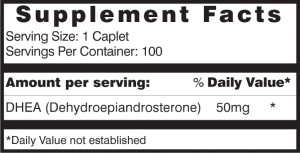 Dehydroepiandrosterone (DHEA) is a naturally occurring hormone produced in the body. Secreted by the adrenal glands, it is precursor to other hormones and is transformed by the body into specific hormones once it reaches the target tissue. As a prohormone, most of it effects are related to its end products as opposed to DHEA itself.
DHEA is gaining traction as an anti-aging supplement. It is also being explored as a treatment for several of the health conditions associated with aging.
DHEA and its effects
DHEA is often touted as a “youth restoring” hormone because of its reputation for slowing down the age process, improving general energy levels and cognitive skills. Because of this, many see it as a solution to regulate the side effects of aging and hormone depletion.
DHEA supplementation has shown an increase in energy, cognitive concentration, greater muscle mass/retention and slowing down the progression of Alzheimer disease. DHEA has been shown to have an influence on erectile dysfunction and lack of sex drive. In addition, Men with low DHEA more often experience depression as well as higher risks for overall mortality, including heart failure and cardiovascular threats.
DHEA Decline with Age
Unfortunately, DHEA production declines as its importance increases. DHEA production reaches its highest point during the 20s, but as one grows older, the body’s DHEA production decreases, leaving as little as 20% of the healthy output by the time one reaches 70.
Since it is a precursor to other hormones, this decline leads to a corresponding effect in other hormones as well. Estrogen and testosterone synthesis, in particular, wane once the DHEA levels decrease. This brings forth several consequences for both sexes. In men, specifically, age-related DHEA decrease leads to a decline in testosterone secretion. This decline is compounded because of the larger role DHEA plays in the production of testosterone as we age.
DHEA Supplements and their Effects
From trials, DHEA supplements have been shown to increase muscle mass, strength and physical well-being in general. In addition, tests of increased concentration, in men and women, have been shown to improve sexual potency and mood, with women experiencing less menopausal symptoms after taking supplements. Overall, DHEA has been seen as an anti-aging supplement, providing bone and muscle strength, better moods and immune system and increased memory.
When tested on patients with diabetes and neurological disorders, DHEA was not seen to improve erectile function and potency in patients. It has also been shown to exhibit minimal side effects such as mild acne, swollen ankles and increased facial hair in some women.
The effect of long term treatment on cardiovascular conditions and hormone-dependent tumors has not yet been studied, or have yielded conclusive results.
DHEA Frontiers
DHEA supplements for anti-aging purposes are currently gaining traction. As a precursory hormone, it is seen by many as a way to regulate hormone balance within the body. In addition, DHEA’s reputation in increased bone and muscle strength, as well as energy, has many physicians exploring DHEA supplements and its effect on bone growth, depression, and other mood and cognitive disorders.
Hormone Therapeutics
Hormone Therapeutics specializes in endocrine and hormone-related treatment, and is committed to finding the best treatment for your well-being. If you’re curious about how DHEA supplements can improve you and your life, Hormone Therapeutics can provide the answers for you. Call us today!
Do You Need Help?
Hormone Therapeutics is the leading national company assisting men who want to get their lives back through Hormone Replacement and Testosterone Replacement therapy. Our local physicians are ready to treat you anywhere in the entire country. Hormone Therapeutics is pioneering an easier, cost efficient and more private way for you to work with our clinical advisors and physicians from the privacy of your home or office after your local physical exam confirms you have one of the symptoms of Low T.
Contact us today and our clinical advisors will work with you on a hormone therapy program that may include prescribed hormones, exercise, nutrition and sleep programs to reclaim your vitality.
DHEA Benefits and Frontiers
Saleamp Design April 1st, 2016
Posted In: Health & Wellness
Tags: brain, brain fog, cardiovascular issues, Cialis, Dehydroepiandrosterone, depression, DHEA, ED, energy, erectile dysfunction, fatigue, hair loss, happiness, heart attack, low t, low testosterone, memory, muscle loss, muscle mass, sadness, sex drive, sexual function, stroke, supplements, testosterone, Viagra
Revealed: How Testosterone Converts to Estrogen to Battle Depression
 A recent study at the George Washington University, found that men diagnosed with borderline low testosterone levels had much higher rates of experiencing depression and depressive symptoms compared to the general population. In the study, 56% of the male participants were diagnosed with depression while 25% were already taking medications for this.
Produced in the testicles, testosterone helps drive a man’s production of sperm, muscle strength and mass, sex drive, facial and body hair and bone density. Men who don’t produce the normal amount of testosterone may have a condition called hypogonadism.
To Ward off Depression, Testosterone Converts to Estrogen
Testosterone, the male sex hormone, seems to have anti-depressant like properties, yet the exact mechanism of its effect still remained unclear.
In 2012, Mohammed Kabbaj and Nicole Carrier, both researchers at the Florida State University College of Medicine, are working to elucidate such mechanisms. They have found out that a particular pathway called MAPK pathway in the hippocampal region, a part of the brain, involved in regulation of stress responses and memory formation, plays a vital role in mediating the effect of testosterone.
Low Testosterone and Depression
Between men and women, females are typically more prone to suffer from depression, however, men diagnosed with low T or hypogonadism are also predisposed to depression or anxiety. Fortunately, hormone replacement therapy has been found to effectively enhance mood.
While it may seem that much is already known, it’s still very important to fully understand where and how these effects are happening so that scientists can develop better, targeted antidepressant therapies.
In the study, Kabbaj performed several experiments in neutered male rats and found that the rats manifested depressive-like behaviors that were then reversed by supplemental testosterone replacement.
According to the researcher, in order to protect males with hypogonadism from developing depression, testosterone in the brain must be converted to estrogen. Kabbaj stated a certain brain enzyme ‘mediates’ the conversion of testosterone to estrogen. Furthermore, inhibiting such enzyme in the hippocampal area has prevented the antidepressant effect of testosterone. This makes the conversion to estrogen vital.
In this study, the antidepressant effect of supplementing low testosterone to normal levels has only manifested in male rats, not in female rats.
Do You Need Help?
Hormone Therapeutics is the leading national company assisting men who want to get their lives back through Hormone Replacement and Testosterone Replacement therapy. Our local physicians are ready to treat you anywhere in the entire country. Hormone Therapeutics is pioneering an easier, cost efficient and more private way for you to work with our clinical advisors and physicians from the privacy of your home or office after your local physical exam confirms you have one of the symptoms of Low T.
Contact us today and our clinical advisors will work with you on a hormone therapy program that may include prescribed hormones, exercise, nutrition and sleep programs to reclaim your vitality.
Revealed: How Testosterone Converts to Estrogen to Battle Depression
Saleamp Design March 29th, 2016
Posted In: Low T Info
Tags: antidepressant, bone density, depression, hair loss, hormone replacement therapy, hypogonadism, low t, muscle strength and mass, sadness, sex drive, sex hormone, sperm, testosterone, testosterone levels
The 4 Types of Thyroid Hormone Medications and How They Work
Thyroid hormone medications come in different types with lots of confusion and controversy between them. Here we will outline a general overview of the four types of thyroid medications and the functions of each medication.
How are Thyroid Hormone Medications Produced?
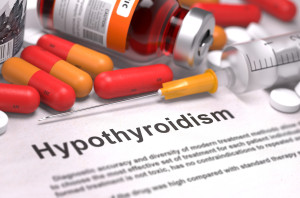
There are two ways in which thyroid hormone medications is produced. The first is done using synthetic components where the thyroid hormone medication is not natural, but a hormone replacement drug is produced in a lab. Leoxyl, Synthroid, Levothroid, Thyrolar and Cytomel are all synthetically produced thyroid hormone.
The second method is through extraction of thyroid hormone from animals. This is called non-synthetic thyroid hormone or simply, natural thyroid hormone. The only natural thyroid hormone derived from domesticated animals (i.e. bovine or porcine) is the desiccated thyroid.
Most physicians prefer that synthetic version of thyroid medication since the dosing for each pill is more consistent. However, many patients claims to have better results with natural thyroid hormone.
Different Types of Thyroid Hormone Medications and How They Work
Our body requires two types of thyroid hormones in order to function normally – the triiodothyronine (T3) and thyroxine (T4). Some medications contains only T3 or T4, while other have both.
Synthetic T4 Only
Synthetic T4 supplements are available in different brands:
- Synthroid (Levothyroxine)
- Unithroid (Levothyroxine)
- Levoxyl (Levothyroxine)
- Levothroid (Levothyroxine)
In general, synthetic forms of T4 are called levothyroxine and are considered the standard treatment for hypothyroidism. Though synthetically made, they are exactly the same as the thyroxine released by the thyroid gland.
Among the four, Synthroid is the most commonly prescribed brand because it provides a steady, prolonged effect of T4. However, all approved brand of T4 are bioequivalent which means there is no huge difference in their composition.
But this does not mean that all brands are completely the same. That is why the American Association of Clinical Endocrinologist believe that once you started using a certain brand, better stick to it. Changing brand may also change the dose, which could change how you feel.
Synthetic T3 Only
- Cytomel (liothyronine)
Most of the actions of the thyroid hormone are due to T3 but most T3 in the body are derived from the conversion of T4. T3 has very short life span while the T4 lasts much longer, so it is important to ensure a steady supply of T3 in the body. After taking Cytomel, T3 level is high but only for a short time, and then the level drops very rapidly.
This means that the patient must take T3 several times a day to ensure steady supply of T3. The problem with taking T3 is that this doesn’t maintain T3 levels evenly. There are times when T3 level is too high, causing unpleasant symptoms such as anxiety, insomnia and rapid heartbeat.
Another issue of T3 treatment is that the body cannot adjust converting T4 to T3 to modulate T3 supply based on your body’s needs. Hence, there is no indication to use T3 alone for the treatment of hypothyroidism.
Synthetic T3 and T4
- Thyrolar (liotrix)
- Combined Liothyronine/Levothyroxine
This combined preparation contains more T3 than what the body naturally produce. Because of this, it can have the same side effects as Cytomel (T3-alone). Thyrolar is also given once a day, which ignores the short life span of T3.
Compounded synthetic liothyronine/levothyroxine can be customized, allowing doctors to change the dosage to even the smallest ration based upon the patient’s response. The best part about compounded thyroid hormone is that both T4 and T3 are packed in a single capsule.
Natural T3 & T4
- Armour
Desiccated animal thyroid, now commonly derived from pigs, was the most common form of thyroid hormone therapy before synthetic versions were discovered. Now, it is still available as a prescription. Because drugs produced from animal thyroid are not purified, they may contain protein and hormones that are not ‘natural’ for the human body.
Though desiccated thyroid contains both T3 and T4, the amount of T3 and T4 in animals isn’t the same as in humans. Also, the amount and balance of T3 and T4 in desiccated thyroid vary a lot, making it difficult to keep blood levels right.
Do You Need Help?
Hormone Therapeutics is the leading national company assisting men who want to get their lives back through Hormone Replacement and Testosterone Replacement therapy. Our local physicians are ready to treat you anywhere in the entire country. Hormone Therapeutics is pioneering an easier, cost efficient and more private way for you to work with our clinical advisors and physicians from the privacy of your home or office after your local physical exam confirms you have one of the symptoms of Low T.
Contact us today and our clinical advisors will work with you on a hormone therapy program that may include prescribed hormones, exercise, nutrition and sleep programs to reclaim your vitality.
The 4 Types of Thyroid Hormone Medications and How They Work
Saleamp Design March 25th, 2016
Posted In: Health & Wellness
Tags: cytomel, desiccated thyroid, hormone replacement, Levothroid, Levoxyl, Synthroid, T3, T4, thyroid hormone, thyroid hormone medication, thyroid hormone replacement, thyroid medication, thyrolar, TSH, Unithroid
Estrogen Monitoring – Estradiol Must Be Monitored During Testosterone Replacement Therapy
What is testosterone replacement therapy? How does Estrogen effect my testosterone levels or how I feel? What is Estradiol or E2 and what do I need to know about estradiol monitoring? Why is it important to monitor estrogen level before getting TRT? What if my estrogen level is elevated, should I still be treated or not? What are the downsides of TRT? Is it dangerous?
These are some of the most common questions most men ask during testosterone replacement therapy. Read below to know more about this treatment.
What is Testosterone Replacement Therapy?

Testosterone replacement therapy (TRT) is a medical treatment that aims to restore hormone levels back to a normal range without any significant side effects or safety concerns. More importantly, it should alleviate the symptoms associated with the hormone deficiency.
The ultimate goal of TRT is to regain and maintain the highest quality of life, compress major illnesses and reduce disability; and add life to years.
Estradiol Monitoring: Why is it important to monitor estrogen level before getting Testosterone Replacement Therapy?
As a Man’s testosterone level decreases, typically his estrogen levels are increasing. Testosterone replacement therapy can also lead to elevations in estrogen level in some men who convert a portion of their testosterone supplementation to Estradiol. In some cases, the level could be above the normal range. While TRT is not about jacking up a man’s testosterone, it should also not be about suppressing his Estrogen or Estradiol/E2.
When the estrogen levels increase, a person may develop breast or nipple tenderness (gynecomastia), which may call for the use of aromatase inhibitors (AIs) – a potent estradiol-suppressor that is primarily used as an adjuvant treatment for breast cancer by lowering estrogen and thereby reducing the stimulation of estrogen receptors in such disease.
Some doctors prefer stopping TRT first when symptoms of high estrogen levels are becoming apparent rather than managing it through AIs. Many doctors, and Broscience websites, promote the absolute use of aromatase inhibitors during TRT despite the absence of symptoms or signs of increase estrogen or Estradiol. They believe that keeping a relatively low estrogen concentrations can boost the effectiveness of TRT and improve male health. This approach, however, can cause other problems.
We at Hormone Therapeutics follows medical protocols and believe in treating the symptoms and the blood tests. The Total Testosterone:Estradiol ratio needs to be kept below 5%. We believe in monitoring and maintaining this level.
What if my estrogen level is elevated, should I still be treated or not?
Estrogen levels in some men administered with aromatase inhibitors have levels that sink below 40pmol/L, which may pose increased risk on bone health, energy and emotional health.
Perhaps the only study that can compare the use of TRT with and without anastrazole were in men diagnosed with hypogonadism, hyposexuality and epilepsy. The first trial revealed a positive effect on the sexual interest with the addition of testolactone therapy.
On the second trial that involves men reported an increase in libido among men treated with anastrazole and testosterone alone. However, this trial didn’t attain statistical significance because some men from the T-alone group also reported increase in sexual interest despite an increase in their estrogen.
However, these studies must be taken with caution because it isn’t clear how the group compares with the bigger group with low-T. This group were also treated with antiseizure drugs which increases SHBG (Sex hormone-binding globulin) – a glycoprotein that attaches to the two sex hormones, estrogen and androgen.
Therefore, there is no solid evidence to support the claim that the use of aromatase inhibitor in conjunction with TRT provides benefits more than that provided by TRT alone.
Do You Need Help?
Hormone Therapeutics is the leading national company assisting men who want to get their lives back through Hormone Replacement and Testosterone Replacement therapy. Our local physicians are ready to treat you anywhere in the entire country. Hormone Therapeutics is pioneering an easier, cost efficient and more private way for you to work with our clinical advisors and physicians from the privacy of your home or office after your local physical exam confirms you have one of the symptoms of Low T.
Contact us today and our clinical advisors will work with you on a hormone therapy program that may include prescribed hormones, exercise, nutrition and sleep programs to reclaim your vitality.
Estrogen Monitoring – Estradiol Must Be Monitored During Testosterone Replacement Therapy
Saleamp Design March 22nd, 2016
Posted In: Testosterone Therapy
Tags: anastrazole, breast enlargement, estradiol, estrogen, gynecomastia, hormone replacement, hypogonadism, low t, low testosterone, nipple sensitivity, testosterone, Testosterone replacement therapy, testosterone therapy, TRT
Here’s How Sermorelin Can Help Increase Your Brain Performance
We all age. It is inevitable. It is part of life. Sermorelin can help.
Yet most of us wish to keep a highest quality of life as we age – a life where we can still keep as much of the strength, energy and appearance that we enjoy in our youth. Likewise, we hope to be spared the damage that comes with degenerative diseases. Hormones highly affects our vitality and longevity – an important key to our ability to look and feel young.
As we age, hormone levels change and evolve. The energy-producing, fat-burning hormones fall while the energy-depleting, fat-storing hormones will inversely rise. Such changes makes us feel and look older.
Sometimes, hormones severely drops into a deficiency, below the level that can maintain the best health outcomes. In this situation, hormone optimization– through exercise, sleep, diet, lifestyle changes and hormone therapy – can be very beneficial to one.
Human growth hormone is one of the most common, and important, body hormones that usually drops to deficiency level.
What is Adult Human Growth Hormone Deficiency?
Adult growth hormone deficiency (AGHD) is being recognized increasingly. It has been associated with cardiovascular, metabolic, neuromuscular, neuropsychiatric-cognitive and skeletal abnormalities.
Symptoms include:
- Changes in memory, processing speed and attention
- Lack of well-being
- Depression
- Anxiety
- Social isolation
- Fatigue
- Lack of strength
- Fibromyalgia syndrome
- Neuromuscular dysfunction
- Decreased muscle mass
- Decreased bone density
- Impaired cardiac function
- Decreased insulin sensitivity
- Increased buildup of abnormal fat masses in the blood vessel walls
- Increased low-density lipoprotein or bad cholesterol
- Decreased sweating and thermoregulation
Most of these symptoms can be reversed through growth hormone therapy. Adult Growth Hormone Deficiency must be diagnosed before a physician can legally prescribe HGH to a patient.
How Sermorelin Helps Adult Growth Hormone Deficiency
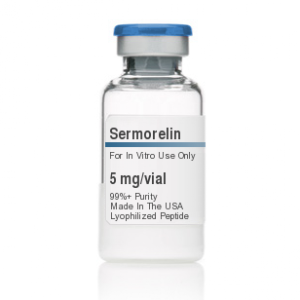
Sermorelin Acetate (GRF 1-29) is a bio-identical growth hormone-releasing hormone that can be used to safely stimulate the production of growth hormone from the pituitary gland. An FDA-approved medication, it has been genetically engineered to increase the levels of growth hormone and reverse the effects of AGHD.
Sermorelin acetate was first developed in the 1970s, and was considered to be the shortest, yet fully functional piece of GHRH, that has been used to test for human growth hormone secretion.
Sermorelin has been used as a hormone replacement therapy for testosterone in men and an anti-aging product. Unlike human growth hormone, Sermorelin is a secretagogue, which means it stimulate the gland to secrete hormone.
How Sermorelin Help Improve Your Brain Function
The effect of growth hormone-releasing hormone is better observed among patients who secrete little to zero growth hormone due to pituitary tumors or the total removal of the gland where human growth hormone is produced.
Regardless of the age, all patients manifest similar psychological effects due to growth hormone deficiency. Symptoms include mood swings, anxiety, increased social isolation, decreased work capacity and depression (Ronald Klatz, Robert Goldman, Stopping the Clock, 2003).
GHRH has also been found to have positive effect on patients with mild cognitive impairment. In a study by the University of Washington School of Medicine (2013), thirty adults (17 diagnosed with mild cognitive impairment) ranging in age between 55 and 87 years participated in a study on the neurochemical effects of GHRH.
After 20 weeks of GHRH administration, results showed an increase in gamma-Aminobutyric acid (GABA) and N-acetylaspartylglutamate (NAAG), and a decrease in myo-inositol (MI), which are positive indicators that may help reverse age-related decline and improve cognitive function.
Do You Need Help?
Hormone Therapeutics is the leading national company assisting men who want to get their lives back through Hormone Replacement and Testosterone Replacement therapy. Our local physicians are ready to treat you anywhere in the entire country. Hormone Therapeutics is pioneering an easier, cost efficient and more private way for you to work with our clinical advisors and physicians from the privacy of your home or office after your local physical exam confirms you have one of the symptoms of Low T.
Contact us today and our clinical advisors will work with you on a hormone therapy program that may include prescribed hormones, exercise, nutrition and sleep programs to reclaim your vitality.
Here’s How Sermorelin Can Help Increase Your Brain Performance
Saleamp Design March 20th, 2016
Posted In: Health & Wellness
Tags: anti-aging product, brain function, cognitive skills, depression, fatigue, GHRH, growth hormone therapy, growth hormone-releasing hormone, HGH, hormone replacement therapy, hormone therapy, human growth hormone, memory, Sermorelin
Testosterone reduces Cardiovascular risks when maintained over 550ng/dl
This Swedish study tested the hypothesis that serum total testosterone and sex hormone-binding globulin (SHBG) levels predict cardiovascular events in elderly men. The study found that supplementing, and maintaining, testosterone reduces cardiovascular risks when the levels were maintained above 550ng/dl. This study also tested Estradiol levels, which was lacking from the previous studies. The study also found negative correlation between testosterone levels are type 2 diabetes risk. This Swedish study was compiled over 5 years and analyzed all kinds of markers, including SHBG.
The details of the study are included here:
Testosterone reduces Cardiovascular risks when maintained over 550ng/dl
Saleamp Design March 2nd, 2016
Posted In: Uncategorized
Hormone Therapeutics puts Testosterone ‘Under the Hood’ of the #49 NASCAR Truck in Daytona
Hormone Therapeutics #49 truck, driven by Timmy Hill, survived a testosterone filled weekend in Daytona. The Daytona 500 had its closest finish in history, with Denny Hamlin beating Martin Truex by .010 seconds, or just four inches. The NASCAR Camping World Truck race was even more exciting with a nine vehicles final lap accident and Christopher Bell’s #4 flipping six times. Hormone Therapeutics truck got caught in the wash on the last lap, fish tailed into the wall, ending a sure top 5 finish dropping to 14th.
Driver Timmy Hills footage of Race Weekend in Daytona
Driver Timmy Hill says, “I knew I would have an outside chance to win this race so I tried to get all I could get when we took the green. As we made our way around the track and took the white flag I began to see the 2 lead trucks get together and start to spin. I maneuvered to the apron to miss the wreck but at the very last moment another truck drove into me from behind, spinning me into the wall to end our shot at a top 5 finish.”
Hormone Therapeutics President, Hunter Howard said, “What an exciting race and Timmy Hill put us right there where we wanted to be. We were in the top five, on the last lap of the race, with a chance to take the checkered flag. The team really put the testosterone under the hood of that truck and we were in position to win it before Bell’s unfortunate accident.” President, Hunter Howard also said, “Hormone Therapeutics is excited to help NASCAR fans put testosterone under their hoods and help them live healthier, happier and more energetic lives.”
Follow Hormone Therapeutics via Twitter (@HormoneT) and Facebook.
About Hormone Therapeutics:
Hormone Therapeutics (www.hormonetherapeutics.com) is the first National Testosterone Replacement Therapy provider helping patients live happier, healthier and more energetic lives as they age anywhere in the US. With over 3,000 blood testing locations, and physicians in every state, we provide consultations in the privacy and convenience of our patient’s homes. We have over 3,000 testing facilities nationwide! We are available to patients anywhere for $199 per month. Low testosterone is affecting over 12 million males today who are not receiving world-class specialist physician guidance we offer.
Hormone Therapeutics President, Hunter Howard said, “NASCAR offers the perfect place to connect with men in their 40s and 50s who know they don’t feel right. In less than 100 years, the average life span grew from 48 to 78. The endocrine system has not kept up with this rapid advance and depleted hormones are causing issues like fatigue, irritability, weight gain, loss of interest in intimacy as well as increases in heart attack, stroke and prostate cancer. We are helping men across the country live happier, more energetic and healthier lives through our program.”
For more information please contact:
Hormone Therapeutics puts Testosterone ‘Under the Hood’ of the #49 NASCAR Truck in Daytona
Saleamp Design February 26th, 2016
Posted In: Uncategorized

