
Top 11 Natural Testosterone Booster Practices
Naturally increasing your testosterone level is a vital highway to health and well-being but if you’re currently stuck in life’s traffic and can’t seem to get to the testosterone on-ramp; here is a list of simple yet effective natural testosterone booster hacks that will go a long way to increasing (and maintaining) your Testosterone Levels for life.
 Natural Testosterone Booster #1: Sleep In
We all know it’s healthy to get a solid 6-8 hours of sleep each night, but did you know just how important it is to your testosterone levels? Science has shown again and again that adequate sleep is absolutely crucial to your body’s recovery from the physical stresses of the day. Other studies have shown that sleeping less than 6 hours per night inhibit testosterone replenishment and muscular growth. This is why testosterone levels peak when you wake up and are lowest right before you fall asleep. If you have trouble sleeping, we recommend turning off your computer and setting aside that tablet an hour before bed.
Set a reasonable bedtime allowing for about 8 hours of sleep, and stick to it.
 Natural Testosterone Booster #2: Don’t Push Your Workout Too Hard
Although most people have a natural inclination to push themselves and go all-out during exercise, it is possible to overdo it. The intensity and duration of your workouts should be appropriate for your age and physical condition. As we age, our bodies respond differently to intense workouts. The physical stress of too much exercise can actually have a detrimental effect on our bodies, including testosterone levels. This phenomenon is known as overtraining and leads to increased risk of chronic injury and up to a 40% decrease in testosterone levels.
Exercise is an effective way to increase testosterone, but know your limits.
 Natural Testosterone Booster #3: HIIT for Power
One way to maximize the effects of your workouts while avoiding the risk of overtraining is High Intensity Interval Training, or HIIT. During your workouts, alternate short bursts of fast, intense activity with resting periods of more relaxed activity. For example, alternate sprints with walking or slow jogging. The intervals can be very short depending on your condition, and usually a 2:1 ratio of high to low intensity is best.
An example HIIT workout: Run 30 seconds at a high intensity. Walk 15 seconds. Repeat for at least 20 minutes.
 Natural Testosterone Booster #4: Eat Your Eggs
Protein is vital to testosterone growth and good, old-fashioned eggs are loaded with protein power, Omega-3 oils, T-Healthy zinc and huge levels of HDL (“good” cholesterol), that are essential for testosterone building.
Two eggs per day is plenty, and toss the butter and margarine. Olive oil is always preferred!
 Natural Testosterone Booster #5: Cut the Sugar
That’s right, dump refined sugar right now, in all its forms! When blood sugar levels spike (like after you chug that energy drink) testosterone levels correspondingly decline (as much as 20-30%). If you’re riding the roller-coaster of refined sugar, you’re wreaking continuous havoc on your testosterone levels.
Do yourself a favor and toss the sweets and sodas!
 Natural Testosterone Booster #6: Moderate your Booze Intake
Few things in life are more satisfying than a cold brew after a hard day’s work or workout. But excessive alcohol binges lower the body’s growth hormone levels even as they increase your cortisol levels, a double whammy of a testosterone hit.
Moderate alcohol intake is fine, but don’t binge drink!
 Natural Testosterone Booster #7: Hit the Weights
In addition to your HIIT training, a reasonable regimen of weight training is an absolutely proven factor in reliably increasing your testosterone levels. In addition to its many other benefits (increased strength/muscle mass/flexibility, etc.), a recent Baylor University Research Study found that, in all subjects, testosterone levels peaked at only 48 hours post-weight training workout.
So hit the weights smartly and enjoy your next day surge!
 Natural Testosterone Booster #8: Go Outside
Moderate and healthy exposure to the sun, that all-important source of Vitamin D (just 15-20 minutes per day will do the trick) can provide a rocket boost your testosterone levels. Of course, the prudent use of an SPF sunscreen is advised. We need sunlight every day to maintain levels of Vitamin D, testosterone, and our good mood.
Get at least 15-20 minutes of sunlight every day!
 Natural Testosterone Booster #9: Dig into Good Fats
Good fats, on the other hand, like Omega-3 loaded fish, peanuts and avocadoes, are a powerhouse source of naturally testosterone boosting nutrition that will also provide all the clean energy that you need to burn during your day, and night.
Eat moderate amounts of healthy fats.

Natural Testosterone Booster #10: Root for That Home Team
Humans are competitive and social animals, and indulging our love of sports, even vicariously on TV, gives us a great mental boost that can trigger testosterone increase. Studies have shown that testosterone levels can increase by as much as 20%, just by watching your team win. Go ahead and host that Monday Night Football party and feel free to throw on that jersey and cheer along. It’s healthy!
Sports are good for testosterone, even if you’re just spectating.
 Natural Testosterone Booster #11: Rev Up the Romance
Sex, love, and romantic relationships have all kinds of great effects on the mind and body. Testosterone is a sex hormone, after all, so of course levels increase when we’re really feeling it with someone. The benefits of healthy sex life will magnify the quality of your all-natural testosterone increase.
Everybody’s happier!
Hormone Therapeutics aims to help people looking to improve and optimize their health through natural means or through the guidance of our physicians.
Don’t miss out our free weekly tips and news on Low T, hormone balancing, healthy living, nutrition and a lot more.
Want more? 
Sign up today and Get our ebook, ‘Naturally Increase Your Testosterone Levels’ absolutely FREE.
Top 11 Natural Testosterone Booster Practices
Saleamp Design October 7th, 2016
Posted In: Low T Info
Tags: alcohol, avocadoes, beer, booze, compete, eggs, fats, fish, gym, HIIT, natural testosterone booster, natural testosterone therapy, Omega-3, peanuts, rest, romance, sex, sleep, soda, strength, sugar, sunlight, sweets, testosterone boost, testosterone boosting tips, testosterone enhancement, vitamin D, workout
Top 7 Reasons to Naturally Increase Testosterone Levels
 A host of human hormone research studies have demonstrated that, in order to improve health and naturally increase testosterone levels, it must go hand-in-hand.
The hard part of sifting through all of that complex research is that it’s often difficult to tell the cart from the horse. Health and Testosterone are so closely linked in men that it’s hard to see when low T causes poor health, or when poor health causes low T.
Do we become healthier when we naturally increase testosterone levels, or by making positive lifestyle changes, do our bodies naturally increase testosterone levels? One thing that is clear, though, is that by taking manageable steps to naturally increase your testosterone, you’re putting yourself into a Win/Win situation. These lifestyle choices are just good health advice, and they also increase your T. We have also seen a scientific study of 83,000 US veterans over a 15 year period assessing the benefits of Testosterone Therapy.
This study showed that US veterans with low testosterone, supplemented under Physician guidance back to normal levels have lower incidence of heart attack, stroke, prostate cancer and mortality.
Top 7 Reasons to Naturally Increase Testosterone Levels
Here are our Top Seven reasons to naturally increase testosterone levels that will undoubtedly make you a much happier and healthier Man (increasing testosterone does help with all of the symptoms and issues caused by Low T):
 Increase Muscle Mass and Overall Strength
There is no doubt that an increase in testosterone will positively impact your entire muscular system by increasing crucial muscle protein synthesis that contributes directly to muscular growth. An upgrade for your muscular system, at any and every age, will naturally lead to a healthier, more confident and capable you.
 Increase Overall Heart Health
The heart is the single most important muscle in your body. An increase in testosterone will not, by itself, lead to the prevention of cardiovascular disease, but the direct benefits derived from naturally increasing your Testosterone level will lead directly to more sustainable cardiovascular health if your physician monitors and manages the patients red blood cell count and hematocrit levels.
 Decrease Your Body Fat Percentage
Every medical study has proven that men suffering from obesity have a consistently lower-than-average testosterone level (and coinciding above-average estrogen levels) and there are clear reasons for this. When our testosterone levels decrease, insulin and glucose regulation decreases accordingly as the body’s natural ability to metabolize fat also declines. Testosterone levels play a crucial role in the body’s insulin and glucose regulation as well as the body’s ability to metabolize fat.
 Fortify Your Skeletal System
As we age, men can suffer from the debilitating effects of osteoporosis but testosterone is an often overlooked health ingredient that plays a significant factor in overall bone density and strength. Testosterone is a key component in effective bone mineralization and resorption, increasingly important as we age and our bones tend to lose a degree of density.
 Reignite the Libido
The hard fact is that the primary function of testosterone is as a vital reproductive hormone. It returns desire as well as sexual function.
 Cognitive Ability
Testosterone helps regulate cortisone, which is a stress hormone, and affects the efficiency of our brain’s neurotransmitters. When men suffer from decreased testosterone levels they lose some ability to effectively regulate cortisol levels, which can cause neurotransmitters malfunction and lapses in memory.
 Delay, Decrease or Offset Effects of Alzheimer’s
Alzheimer’s and dementia are most frequent in 65+ men often caused by Andropause. In addition, a healthy testosterone level is a distinct competitive advantage in the game that we call “life”. Feel the way you used to feel and improve your drive, confidence, energy, look, outlook, sexual interest and function while living a healthier life.
Hormone Therapeutics Physician Guided Testosterone Replacement Therapy
 These are all improvements you can achieve through natural means. Natural means will increase testosterone levels, however, they will not always optimize your levels to where you feel the way you used to feel for reasons including hypogonadism, aging, health conditions and more. These are great healthy ways to live your life, however, the expert Hormone and Testosterone physicians at Hormone Therapeutics can put you on a proper Testosterone and Hormone Replacement Therapy program.
Hormone Therapeutics will assess your symptoms and complete medical history. We will schedule your complete blood tests. We will interview you and then develop a program specifically for you. We will give you another blood test at the 6-8 week mark of treatment and also a 24 point self-evaluation of the progress against the symptoms of low testosterone.
After further blood testing and evaluation of your progress we can adjust your treatment as needed. The treatment could include supplemental testosterone, HCG to encourage your system to naturally produce more testosterone, estrogen blockers to manage your Estradiol : Total Testosterone ratio and optimize hormone balance. There are also many other factors and tests we can assess and other treatments we can consider depending on your unique situation.
Always start with a natural approach to optimizing your health. Good clean living, a healthy diet, exercise and sleep patterns will go a long way to giving you the life and health you desire. Our Physicians are here to help you.
OPTIMIZE YOUR HEALTH!
Hormone Therapeutics will help you increase testosterone levels the natural way, working with you and getting you back to feeling how you remember feeling went you felt great! Contact us for a free evaluation. www.hormonetherapeutics.com/contact-us/
Hormone Therapeutics aims to help people looking to improve and optimize their health through natural means or through the guidance of our physicians.
Don’t miss out our free weekly tips and news on Low T, hormone balancing, healthy living, nutrition and a lot more.
Want more?
Sign up today and Get our ebook, ‘Naturally Increase Your Testosterone Levels’ absolutely FREE.
Top 7 Reasons to Naturally Increase Testosterone Levels
Saleamp Design October 4th, 2016
Posted In: Low T Info
Tags: benefits of TRT, clean, Cognitive Ability, Decrease or Offset Effects of Alzheimer’s, Decrease Your Body Fat Percentage, Delay, diet, estradiol, Fortify Your Skeletal System, free testosterone, HCG, health, healthy, Increase Muscle Mass and Overall Strength, Increase Overall Heart Health, life, longer, low t, natural, naturally increase testosterone, optimize, physician, Reignite the Libido, testosterone, Testosterone replacement therapy, Total Testosterone
Wondering About Low T? Here are the Low Testosterone Symptoms You Should Know
Do you keep noticing commercials about Low Testosterone symptoms, or Low T, and wonder what exactly they are talking about? Are you wondering if you have Low T? We have yet to meet anyone nearing 40, or older, who sees these commercials and can consistently say I never feel like that with the same pep I did when I was younger.
For healthy men, testosterone peaks at age 19 and goes down about 1-2% a year for the rest of your life. We are living 64% longer today than we were just one century ago and different parts of our body age faster than other. An unbalanced or depleted endocrine system has so many men are suffering from the Low Testosterone symptoms. . . but they don’t have to suffer from what so many people just write-off as normal aging.
What is Testosterone?
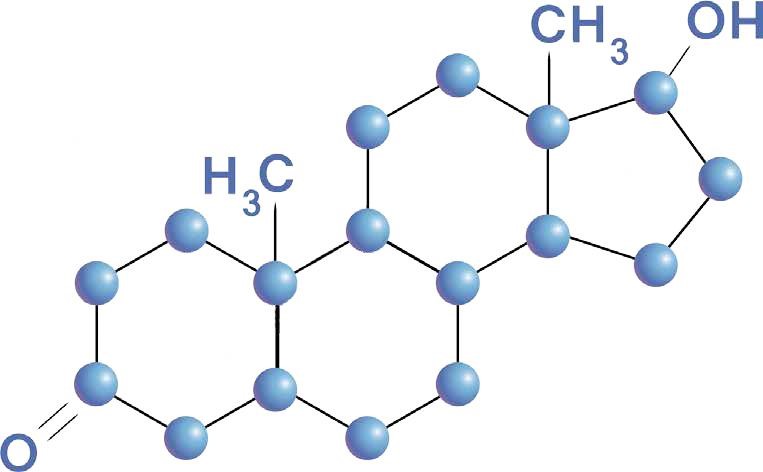
Testosterone is a naturally occurring and very potent hormone produced in large amounts by all males (and in much smaller amounts in females). Production begins in the womb and then gradually increases for weeks from birth.
Initially, it fortifies the development of male genitalia, then gradually affects every vital physiological system (muscular, circulatory, skeletal, reproductive, etc.)
After reaching physical maturity, testosterone plays a major role in the healthy development of male sexuality. Testosterone levels drastically surge during the onset of puberty. Levels peak at 19, then level o and begin to drop by the mid-30s, by about 1% per year.
What are the Low Testosterone Symptoms?
Except in cases of hypogonadism (medically low testosterone) when it occurs much earlier, most men begin to feel many of the symptoms of low testosterone by their 40s. It’s one reason why our physical and mental capabilities begin to diminish as we age, and it may even contribute to the following life and relationship altering conditions of Low T:
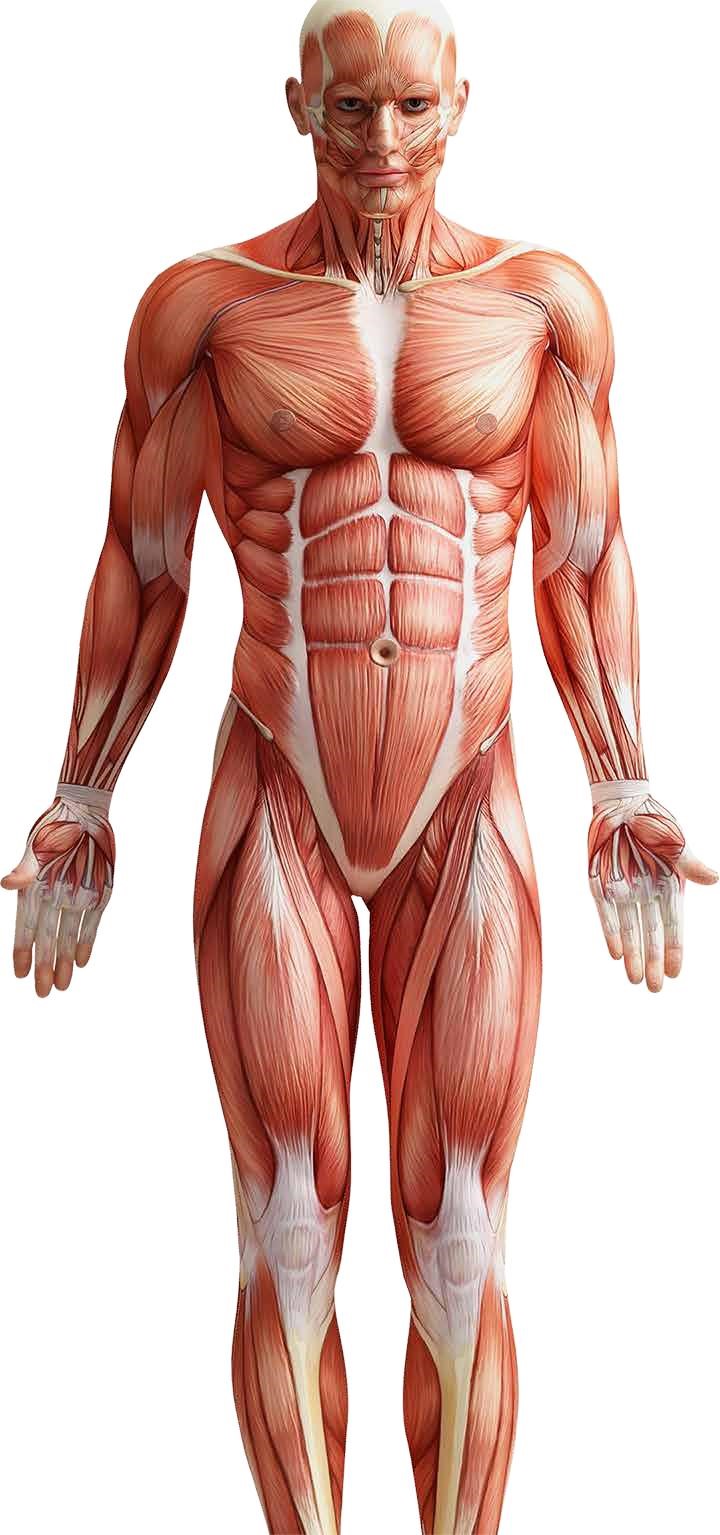
- Loss of Muscular Mass and Strength
- Reduction in Bone Density
- Loss of Skin Elasticity
- Hair Loss/Male Pattern
- Baldness
- Erectile Dysfunction
- Depression
- Fatigue
- Loss of Concentration or Memory
- Weight Gain
- Gynecomastia
- Hot Flashes
- Lower Sex Drive
- Urinary Problems
- Sleep Problems
- Irritability
- Night Sweats
- Hypogonadism
- Adrenal Fatigue
- Thyroid Health
There is a syndrome called Irritable Male Syndrome, or IMS, that’s caused by low testosterone. It is not just having a low libido. This syndrome includes emotional withdrawal, lack of motivation, aggression, personality changes, and anxiety. Irritable Man Syndrome can also present in self-destructive activities including gambling, alcoholism and workaholism.
Sound like you? Low testosterone affects over 13.8 million men in the US. Many of these men are in their 30s and even 20s due to hypogonadism.
Low T effects go beyond sex drive and mood. Testosterone deficiency increases the risk for cardiovascular disease, type 2 diabetes, and bone fractures. Low testosterone increases mortality risk.
800 men were followed for 50 years and the men with the lowest testosterone levels had a 33% greater chance of death, from all causes, than the group with the highest testosterone levels. Another study showed that men with low testosterone had 88% higher mortality levels than men with normal testosterone.
Hormone Therapeutics aims to help people looking to improve and optimize their health through natural means or through the guidance of our physicians.
Don’t miss out our free weekly tips and news on Low T, hormone balancing, healthy living, nutrition and a lot more.
Want more?
Sign up today and Get our ebook, ‘Naturally Increase Your Testosterone Levels’ absolutely FREE.
Wondering About Low T? Here are the Low Testosterone Symptoms You Should Know
Saleamp Design September 30th, 2016
Posted In: Low T Info
Tags: Adrenal Fatigue, Andropause, Baldness, depression, erectile dysfunction, fatigue, gynecomastia, Hair Loss/Male Pattern, Hot Flashes, hypogonadism, irritability, irritable male syndrome, Loss of Concentration or Memory, Loss of Muscular Mass and Strength, Loss of Skin Elasticity, low t, low testosterone, low testosterone symptoms, Lower Sex Drive, male sexuality, Night Sweats, Reduction in Bone Density, Sleep Problems, testosterone deficiency, Thyroid Health, Urinary Problems, weight gain
Aromatase inhibitor benefits and side effects as part of Testosterone Therapy
Any significant research into TRT will likely also discuss aromatase inhibitor and estrogen management. You will definitely find this on the ‘Bro-Science’ bodybuilding sites focusing on bulking and supraphysiological dosages of testosterone and other anabolic-androgenic steroids that aromatize to estrogen and estradiol.
What is an aromatase inhibitor and what does it do?
Aromatase is the enzyme complex that converts androgens like testosterone into estradiol in men. Weight gain and aging increase the risk for testosterone conversion into estradiol. Estradiol is the “bad estrogen”, responsible for issues including (often) prostate issues, gynocomastia and erectile/libido/hormonal problems. Men find aromotase in their fat cells and as they expand our estradiol will find itself increasing at the same time our testosterone levels dwindle.
An aromatase inhibitors binds to aromatase, disabling it.
Why take an aromatase inhibitor?
AIs will reduce Estradiol levels. Symptoms of high estradiol include gynecomastia (male breast development and enlargement) and edema (fluid retention in the extremities).
Avoid or Reverse Gynecomastia – Estradiol plays a major role in gynocomastia and an AI like Arimidex (anastrozole) – occasionally letrozole is used – is quite effective in managing estradiol levels. The most important thing is to blood test and measure the estradiol levels and look at is on it’s own and as a % of Total Testosterone levels. if a man goes over a total testosterone of about 600 ng/dl, he will very likely need an aromatase inhibitor. The symptoms for elevated estradiol can mimic those for low testosterone, including mood issues, low libido, erectile dysfunction and other estrogenic side effects.

Did you really want to see a before pic?
Clinical research has looked into the use of aromatase inhibitors as an option to testosterone replacement in older men, and to delay bone closure in adolescent boys who are short, to allow them to gain more height.
Is Estradiol important? Role in men of Estradiol:
Since Estradiol is known as a female hormone and elevated levels can cause gynecomastia or edema, many men believe they need to eliminate or suppress it. This is not true, the body produces estrogens in men because we need it.
Estradiol is important in determining bone mineral density in men. Low levels may lead to bone loss and osteoporosis in elderly men. Low estradiol levels increase fat and decrease sex drive and erectile function.
We do not know the optimal estreadiol range but do know that low levels are not good. We also believe taking anastrozole without clinically diagnosed high estradiol levels and symptoms (gynecomastia and edema) can be counterproductive for men on testosterone therapy. Get your advice from a trained HRT/TRT physician and not someone in the gym or a “Bro-science” website.
Potential side effects of Aromatase inhibitors
Aromatase deficiency has been linked to increased insulin resistance, which is a precursor to type 2 diabetes. Animal studies have shown that an absence of aromatase in male rats increases insulin resistance as well as body fat, and “fatty liver” develops. When young, healthy men were given an aromatase inhibitor, they developed slightly increased body fat, particularly within the waist (i.e., intra-abdominal fat). This type of fat is associated with the development of metabolic syndrome, which includes insulin resistance.
Patients with low testosterone should be wary of automatically using aromatase inhibitors, due to a number of potential metabolic effects. For the AAS using bodybuilder, aromatase inhibitors can be necessary to combat aromatization from supraphysiologic testosterone and other AAS dosages. The most important thing is to work under the guidance of a trained HRT/TRT physician and get tested regularly.
Aromatase inhibitor benefits and side effects as part of Testosterone Therapy
Saleamp Design September 13th, 2016
Posted In: Low T Info
Tags: aromatase, benefits to your body, erectile dysfunction, estradiol, estrogen, hormone replacement therapy, hypogonadism, low t, low testosterone, sex drive, testosterone
Testosterone Clinical Trial Proves Increased Energy and Sex Drive
Researchers at the University of Western Ontario published the results of the testosterone clinical trial showing Testosterone increases sex drive and energy without adverse side effects. The positive results lasted the entire period of this nine month, double blind trial including the three month double blind placebo period.
The testosterone clinical trials showed no plateauing of sex drive or energy at any point in the program for the 558 men in the program.
Researchers Drs Loughlin and Klap wrote that, “interest in testosterone-replacement therapy continues to intensify” — shown by the 3x increase in testosterone prescriptions from 2001 to 2011 among men in the US aged 40 years or older and expected growth from $2B to $5B from 2014 to 2017. Patient demand and patient results is what is driving all of this interest.
FDA and EU Guidelines
The US FDA says testosterone shouldn’t be used in men who don’t have hypogonadism. The FDA states this because the benefit/risk profile for use hasn’t been established, including cardiovascular risks, which remain unknown. However, the EU medicines agency took a very difference position concluding there is “no consistent evidence” for increased heart risk when taking testosterone treatments. Dr. Block stated his conclusions from the research are that “there was absolutely no evidence of any concerning end point in this study — no cardiovascular signal whatsoever”.
Testosterone Clinical Trial
There were 558 testosterone clinical trial participants who averaged 55 years of age. In the open-label extension phase during the last six months of the trial, 275 had previously received placebo and 283 had been treated with testosterone. They patients were collected from a large number of different racially constructed countries, including from ones in North and South America, Europe, and South Korea.
At the conclusion of the testosterone clinical trial, 60% of the group that started on a placebo and 66% of the group starting initially on Testosterone Replacement Therapy had normal testosterone levels.
Increased HED and SAID Scores
Testosterone clinical trial participants completed two Qualitative surveys: the SAID (Sexual Arousal, Interest and Drive) and HED (Hypogonadism Energy Diary) surveys.
Testosterone also improved HED scores from beginning to end: the formerly placebo group average improvement was 8.9 and for the continuing-active group was 5.1 (P < .001 for both groups).
The SAID and HED qualitative questionnaires help us to understand the improvement and clinical management of the participants.
“For the first time, we really have an understanding of what treatment with testosterone does to those men who become normalized in terms of their testosterone level,” Dr Brock commented.
Is It Low T?
Dr Brock believes many untrained PCPs have trouble diagnosing patients who report low energy or low sexual interest if its a thyroid problem, depression, or just old age. “In the past 10 years many of us have begun to recognize that it may be, in some of these men, a direct effect of having low testosterone,” he said.
Results and leanings from another placebo-controlled testosterone clinical trial, multicenter Testosterone Trial, indicates testosterone treatment in older men may help improve sexual function, mood, depressive symptoms, and possibly walking distance, but it doesn’t seem to improve vitality.
Testosterone Clinical Trial Proves Increased Energy and Sex Drive
Saleamp Design August 25th, 2016
Posted In: Uncategorized
Athlete gets Testosterone Therapy Exemption from Anti-Doping Agency
The U.S. Anti Doping Agency has reversed a long standing position of never allowing Testosterone Therapy exemption for athletes. The agency is now allowing Masters Cyclist, Jeff Hammond to compete in races while under medically prescribed testosterone. His was the first Anti-doping exemption given for medical supplementation of previously banned ‘steroids’ like testosterone and more exemptions have followed.

Medically Prescribed Testosterone Therapy Exemption
This is a new USADA exemption, for masters and amateur athletes, who are prescribed drugs previously banned by competitors. The agency is terming this a “Recreational Competitor Therapeutic Use Exemption”, for amateur and masters to compete in low-level competitions. It pertains to specific substances that need a pre approval and a medical review of the medical need. The USADA issued a statement, “Out of fairness to those non-competitive athletes, we put in place a process that allows for them to compete while still requiring a fair and reasonable review of each recreational athlete’s medical situation,”
Testosterone’s illegal abuse for performance enhancement among Olympic athletes in the 80’s and 90’s before proper testing could better monitor and manage the situation. Because of the lack of understanding of testosterone’s need to treat hypogonadism and lack of ability to properly test athletes for abuse, the US Anti-Doping Agency, the US Olympic Committee and the International Olympic Committee were all forced to take a zero tolerance policy for testosterone use by athletes.
The most important thing is the continued medical acceptance of Hormone Replacement Therapy and Testosterone Therapy for appropriate medical reason. Abuse of testosterone by athletes in the past still holds a stigma today for the life changing, legitimate therapies helping so many people today. The US Ant-Doping Agencies abandonment of their hard core, zero tolerance policy shows how far we have come in such a short time to ensure that people with depleted endocrine systems can receive treatment as needed and not be shunned for taking care of their health.
Visit the Wall Street Journal Article to read more.
Athlete gets Testosterone Therapy Exemption from Anti-Doping Agency
Saleamp Design April 26th, 2016
Posted In: Uncategorized
Revealed: Testosterone Therapy May Enhance Sexual Drive and Energy Levels
 In a major new study published in the New England Journal of Medicine, testosterone therapy was found to improve physical ability and mood as well as sexual function. The study was a collaboration of researchers from 12 medical centers spanning the United States.
Mark E. Molitch, MD, an endocrinologist, was one of the authors of the study. Dr. Molitch is the Martha Leland Sherwin professor in medicine-endocrinology at the Northwestern University Feinberg School of Medicine.
“In recent years, talk about low testosterone and its treatments have become part of the public discussion,” explained Molitch. “Yet questions have always lingered about the treatment’s effectiveness and safety. I believe the results of this large, nationwide study will provide doctors and patients answers and guidance they’ve been looking for.”
Link between Testosterone, Mood, Libido and Physical Health
The team’s purpose was to determine the link, if any, between testosterone levels and the mood, libido, and physical ability of men over the age of 65. It is a well-established fact that a man’s testosterone levels and production decrease as he ages. Many men also experience lowered sex drive and energy levels as they become older, tiring and fatiguing more easily. For the first time, low testosterone has been established as the cause of these symptoms.
Testosterone Therapy Study Grant
Previously, the Institute for Men reported that there was insufficient evidence of testosterone therapy’s beneficial effects, if any. A grant from the National Institute on Aging and National Institutes of Health funded the new study to determine low testosterone could be the cause of what many consider the normal effects of aging.
Health Study on Testosterone Therapy
The subjects of the study were 790 men, all of whom were over the age of 65 and tested for low blood testosterone, as well as suffering from decreased sexual desire and physical function. Some participants in the study were given testosterone treatments in the form of a gel to apply directly to the skin. The medication increased the subjects’ testosterone levels to the normal range for men aged 19-40. The treatments and study of their effects lasted for over a year.
The study participants who received the testosterone treatments did not report increased energy, but their mood, libido, and physical function did improve. By measuring the distance walked in six minutes, the researchers were able to determine a small increase in the physical abilities of men in the study. There was also a decrease in symptoms of depression, such as feelings of sadness and listlessness.
“Men in the study experienced an increased sexual desire and small improvements in their mood and physical function,” explained Molitch. “Importantly, there was no evidence of an increase in heart or other cardiovascular issues in those who received testosterone compared to a placebo. And we monitored the men in this study for at least a year after receiving treatment.”
The study is expected to lead to further research in the potential applications of testosterone therapy in treating many of the problems that come with age. By firmly showing the link between low testosterone and decreased sexual activity, mood, and physical capabilities, the door is open to developing treatments for these common ailments.
Revealed: Testosterone Therapy May Enhance Sexual Drive and Energy Levels
Saleamp Design April 26th, 2016
Posted In: Testosterone Therapy
Tags: depression, endocrinology, fatigue, libido, low t, low testosterone, mood, sadness, sex drive, testosterone, testosterone therapy
Testosterone Therapy Found to Ease Male Depression
 Male depression is not as well understood as female hormonal depression. The effect of female sex hormones on our mood and psyche has been well-documented. Phenomena such as post-partum depression and mood swings just prior to menstruation are well-known, and there have been a number of scientific studies confirming them.
Until recently, though, the link between our mood and the male sex hormone testosterone has not been nearly as well understood. A study conducted by researchers at MedUni Vienna and published in Biological Psychiatry offers the first glimpse into how testosterone affects our mood.
Testosterone and Male Depression
In a nutshell, the study concluded that there is a direct link between testosterone levels and feelings of happiness. Testosterone also supports existing antidepressant medications, allowing them to work better.
As they age, men typically become more prone to depression. Conventional wisdom has been that the drop-off in testosterone production is to blame, but the new study is the first to show that testosterone actually increases the number of serotonin transporters in the brain.
How Serotonin levels Contribute to Male Depression
Serotonin is the neurotransmitter, or brain chemical, most responsible for feelings of well-being and happiness. Serotonin transporters are proteins that help regulate the concentration of serotonin in our brains. By increasing their number, the overall serotonin levels in our brains also increase, contributing to our emotional well-being.
Antidepressant drugs bind to these proteins, as well. By increasing production of serotonin transporters, testosterone creates a better environment for these medications, allowing them to more effectively treat male depression.
The MedUni Vienna researchers worked with transsexuals undergoing hormone therapy in the course of their study. Georg Kranz, the study’s primary author, explained the design of the study.
“Transsexuals are people who feel that they are living in the wrong body and who therefore want high doses of opposite gender hormone therapy to adapt their appearance to that of the other gender. Genetic women are given testosterone, while genetic men are given oestradiol and medications to suppress testosterone production.”
Testosterone and Antidepressants
Siegfried Kasper, head of the Department of Psychiatry and Psychotherapy at MedUni Vienna, elaborated further on their findings and results.
“The study has shown that testosterone increases the potential binding sites for commonly prescribed antidepressants such as SSRIs in the brain and therefore provides major insights into how sex hormones affect the human brain and gender differences in psychiatric illnesses.”
Employing positron emission tomography (PET), the researchers were able to measure serotonin transporter levels in the study participants. Four weeks of testosterone therapy resulted in significantly higher serotonin transporter levels. The study established a firm link between testosterone levels in the blood and serotonin transporter levels in the brain.
The study opens up potential applications for testosterone therapy in treating male depression and other emotional disorders. Testosterone improves our mood both directly and by supporting antidepressant medications, and the reverse is also true. Low levels of testosterone can lead to male depression and feelings of sadness.
Testosterone Therapy Found to Ease Male Depression
Saleamp Design April 22nd, 2016
Posted In: Health & Wellness
Tags: anti-depressants, antidepressants, depression, low t, low testosterone, male depression, mood, sadness, Serotonin, SSRIs, testosterone therapy
Revealed: Subcutaneous Testosterone Injections Offer More Favorable Effects
From Intramuscular Testosterone to Subcutaneous Testosterone Injections
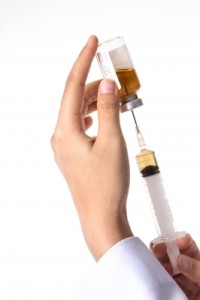 The most common types of testosterone injections are oil-based injectables administered to patients once or twice a week. Popular testosterone supplements, testosterone cypionate, propionate and enanthate have traditionally been injected through Intramuscular means as this was previously seen as the only possible method for providing patients with the testosterone esters. To administer these Intramuscular injections, patients are usually injected with needles measuring 1 inch to 1.5 inches, into the glute or hip, once a week.
However, recent studies have provided a different angle to this practice, saying that administration of these esters does not have to be limited to Intramuscular means. Over the years, there have been multiple studies exploring the possibility of other alternatives to Intramuscular administration. As a result, newer researches have debunked the common perception that Intramuscular administration is the only effective way to inject testosterone, strengthening the case for subcutaneous injections as a means of administering the esters. Additionally, physicians are also exploring the possibility that subcutaneous injections may address common problems encountered with Intramuscular administration of testosterone.
Subcutaneous injections and less testosterone fluctuations
A common problem encountered with intramuscularly administered testosterone esters is their tendency to cause fluctuating hormone levels.
Intramuscular injections are typically administered weekly. The patients testosterone levels peak in the first day and then are back to normal levels by day 6 or 7. If a physician is prescribing monthly or bi-monthly injections the trough the patient develops after a week while waiting for the next injection will send that patient on a roller coaster. As result, some patients experience a spike in their testosterone levels, where the testosterone serum in their system reaches high doses the following period after injections.
Testosterone Leveling
The peak from the injection comes to an end after several days. Once the hormones are metabolized, what is left is a gradual decrease of the testosterone in the system. Because of this, some patients experience a “peak and trough” fluctuation in hormone levels, resulting in uneven presence of testosterone.
Subcutaneous administration of testosterone serums are being explored as a possible remedy to this issue. A pilot study researching the effects of subcutaneous testosterone injections on hypogonadal males has shown that a smaller, more frequent dose of the serum levels showed peak and trough levels within the normal range for 100% of the patients.
As an alternative option that can replace Intramuscular injection’s weekly doses of the serum, a subcutaneous injection can be divided into two smaller doses each week. This practice levels the amount of testosterone serum in a patient, preventing large spikes and decreases experienced from intramuscular injection. This results in a more balanced and stable presence of the hormone in the patient.
Subcutaneous Testosterone Injections are Easier
Subcutaneous injections make testosterone administration more convenient for patients
Increased studies showing the viability of subcutaneous hormone administration bring many possibilities for patients going through testosterone treatments.
Aside from providing a more balanced testosterone concentration and more level peaks and troughs, subcutaneous injections are generally seen as more convenient for the patient. As an alternative to intramuscular injections, subcutaneous administration provides a cheap and less painful means of administering hormones.
Because of this, more providers, scientists and companies are exploring options that employ subcutaneously administered testosterone.
Hormone Therapeutics provides you the right method for you
As men age, testosterone concentration decline, causing many symptoms of low testosterone and unsatisfactory changes or difficulties in their lives. However, thanks to increasing medical advancements, these hormonal deficiencies and issues are no longer problems men have to bear on their own.
With the increasing amount of alternatives for testosterone treatment nowadays, it is not difficult for men to find a treatment method that they are comfortable with. As a variety of hormone treatments to supplement endocrine systems are now being made available, men can now choose to improve their quality of life through treatment methods that are best suited for them.
Here at Hormone Therapeutics, we want to help you find the best alternative for you so you can live better. Focused on making sure that each client gets a convenient and affordable solution to their needs, we provide testosterone injections, along with various endocrine treatments in order to improve quality of life. All our articles have been brought to you by SEO Advisors.
If you have any questions or inquiries regarding subcutaneous testosterone injections or other forms of testosterone or hormone therapy, Hormone Therapeutics will be glad to tell you more about our services and provide a physician evaluation of your options. Give us a call and we will help you learn more about testosterone and hormone therapy and find the best solution for you.
Revealed: Subcutaneous Testosterone Injections Offer More Favorable Effects
Saleamp Design April 19th, 2016
Posted In: Testosterone Therapy
Tags: cypionate, enanthate, esters, hypogonadal, intramuscular, low t, low testosterone, propionate, seo advisors, subcutaneous, testosterone, Testosterone Cypionate, Testosterone Enanthate, testosterone injection, Testosterone Propionate, testosterone serum
Here’s How Bloodletting Help Manage Polycythemia and Hematocrit levels Caused by Testosterone Replacement
 Therapeutic phlebotomy, colloquially known as bloodletting and used to manage red blood cell counts and Hematocrit levels, has a very long history in medical practice. The technique has been used for hundreds if not thousands of years across the globe.
The original logic behind bloodletting is simple but flawed. If disease lives within the blood, then removing the blood must also remove the disease. Of course, today we know that disease isn’t quite that simple. Modern medical practice discarded the technique as ineffective and dangerous.
Recent evidence, though, has brought therapeutic phlebotomy back in very specific cases. There are some medical conditions which can be treated or managed by the controlled removal of red blood cells and iron from the body, and the technique has found new life among today’s doctors.
Treatment of Polycythemia through Bloodletting
One such condition that responds to therapeutic phlebotomy is polycythemia. The word literally translates to “many blood”, and refers to an overproduction of red blood cells in the body. People suffering from polycythemia have blood that is thick, viscous, or “sticky”, and the condition can be fatal. Blood in this state is more difficult for the heart to handle, potentially leading to high blood pressure, heart attack, or stroke.
The disorder can be brought on by a number of factors.
Potential Causes of Polycythemia
- Stress
- Medications
- Heavy smoking
- Overabundance of testosterone
- Dehydration
- Obesity
- Altitude
Testosterone and High Red Blood Cell Count – Polycythemia
The rise of testosterone replacement therapy has led to an increased instance of polycythemia. Testosterone treatments are wonderfully effective in a variety of cases, but like any medical treatment, it must be administered with care by a medical professional.
Testosterone, as well as assisting with mood support, building physical capability, and its other positive effects, stimulates the body to produce more red blood cells. Increased blood production is beneficial in some cases, such as in anemic patients, but can result in polycythemia if not carefully monitored.
Men are more prone to developing the condition, as they are usually prescribed much higher doses of testosterone than women.
Generally, the doctor administering testosterone therapy will manage the treatment to minimize the risk of side effects such as polycythemia. If red blood cell counts creep up too high, the excess blood can be drained away using the old technique of therapeutic phlebotomy, or bloodletting.
Removing a single pint of blood is usually enough to bring red blood cell counts back to normal. The blood can also be donated to a blood bank, if the patient’s blood is eligible.
Repeated bloodletting sessions are indicated in some cases if polycythemia recurs.
The effects of therapeutic phlebotomy are immediate, since they involve the physical removal of blood from the body. Symptoms such as high blood pressure subside instantly, and most patients report feeling better right away.
Testosterone and Hematocrit levels
Due to the instance of polycythemia in patients receiving testosterone replacement therapy, regular follow-up testing is extremely important even after the treatments are complete. Among other measurements, doctors will measure the Hematocrit and Hemoglobin in patients who have received testosterone treatments.
This measures the quantity of red blood cells in the body, or hematocrit, a component of the blood. When this is too high, the blood becomes thicker or more viscus and if not managed properly could put more strain on the body. Ensuring blood cell count and hematocrit levels remain within the normal range is important to anyone’s health, but especially so for recipients of testosterone therapy.
Medications are often used for long-term management of hematocrit levels, as well as therapeutic phlebotomy sessions if hematocrit rises too high.
Other Benefits of Therapeutic Phlebotomy
As well as effectively managing polycythemia, bloodletting is sometimes used as a treatment for hypertension, or high blood pressure. Removing a pint of blood has been shown to decrease blood pressure and “bad” cholesterol levels, during a study performed at Immanuel Hospital in Berlin.
The inspiration for the study was the finding that regular blood donors had a reduced instance of high cholesterol, as well as reduced risk of coronary disease and stroke.
The idea that removing blood from the body would reduce blood pressure seems obvious in retrospect. The technique is an ancient one, but still has merit today under controlled circumstances.
Different studies have also shown that therapeutic phlebotomy can aid diabetics in controlling blood sugar levels.
Finally, most patients report increased energy levels and feelings of health after bloodletting. Although this is not necessarily a reason to receive the treatment in and of itself, patients and doctors alike often consider it a nice bonus.
Do You Need Help?
Hormone Therapeutics is the leading national company assisting men who want to get their lives back through Hormone Replacement and Testosterone Replacement therapy. Our local physicians are ready to treat you anywhere in the entire country. Hormone Therapeutics is pioneering an easier, cost efficient and more private way for you to work with our clinical advisors and physicians from the privacy of your home or office after your local physical exam confirms you have one of the symptoms of Low T.
Contact us today and our clinical seo advisors will work with you on a hormone therapy program that may include prescribed hormones, exercise, nutrition and sleep programs to reclaim your vitality.
Here’s How Bloodletting Help Manage Polycythemia and Hematocrit levels Caused by Testosterone Replacement
Saleamp Design April 15th, 2016
Posted In: Testosterone Therapy
Tags: bloodletting, hematocrit, hemoglobin, low t, low testosterone, phlebotomy, polycythemia, red blood cell count, testosterone therapy, testosterone treatment

