
Enhance Your T Levels with this Testosterone Boosting Diet
 A Sample of Testosterone Boosting Diet
Diet plays a huge role in testosterone production. Our organs and glands need specific minerals like zinc and magnesium for the initiation of testosterone production. The Leydig cells require cholesterol to fuel the production of testosterone. Adding testosterone boosting foods like broccoli, cauliflower, and cabbage will also assist in one’s testosterone levels as well as Testosterone : Estrogen ratio by flushing estrogens from the body that lower our testosterone levels.
Increasing fat and cholesterol in-take also helps boost testosterone production. That’s the origin of the Rocky training on raw eggs myth. Loading up on bacon, eggs, nuts and steak certainly has its detractors as does increasing cholesterol consumption but this is all about testosterone boosting diet.
Here’s an example of one man’s journey to boost his testosterone through his own “testosterone boosting diet” that saw a dramatic increase by testosterone optimizing his diet, exercise and sleep (this is not what we are recommending but an example):
Testosterone Boosting Diet Sample Meal Plan
Breakfast:
Bacon and Eggs . . and more bacon . . and more eggs
Weekdays: Three slices of bacon and three whole eggs. This provided the fats and cholesterol the body needs to make testosterone. Beware nitrates if you eat this much bacon and consider nitrate-free bacon.
Weekends: Mexican Breakfast burritos or pancakes.
Lunch:
The Man Salad
A properly prepared Man Salad packs as many Testosterone boosting foods as he could find:
 Spinach/Spring Salad Mix
The salad base using organic greens. Spinach and other leafy green vegetables contain minerals like magnesium and zinc, which have been shown to aid in testosterone production
 Meat
Meat
Beef provides our bodies with the protein needed to create muscle and the fats and cholesterol to make testosterone. His philosophy was the fattier, the better.
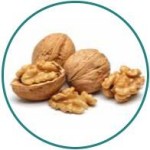 Nuts
Nuts
A handful of almonds, Brazil nuts or walnuts. Nuts are fat bombs providing cholesterol for the Leydig cells need for T production.
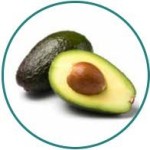 Avocado/Olives
Avocados and olives provide the good fats needed for healthy testosterone production.
 Broccoli
Broccoli contains high levels of indoles. This compound reduces bad estrogen that hurt testosterone levels.
 Olive Oil
Olive oil helps Leydig cells (which produce testosterone) absorb cholesterol better which assists in testosterone production. More cholesterol absorption = more testosterone.
 Balsamic Vinegar
Mostly for taste and to help keep your insulin in check.
Testosterone Boosting Diet: Snacks

During the day he snacked on testosterone-healthy foods like nuts, pumpkin seeds, and broccoli and occasionally dark chocolate.
An added testosterone benefit to a high fat diet with balanced protein and carbs is can help shed some body fat (this man went from 18% to 12% body fat). Studies show that high fat diets actually contribute to increased body fat loss. And as we discussed earlier, as you lose body fat, your T production ramps up. Remember that this is not a long term solution but one man’s 90 day example.
 Dinner
Whatever (in moderation)
He ate what the family was having: chili, chicken and rice, enchiladas, etc. He was not overly worried about carbs but watched his portions.
Results
This man doubled his Total Testosterone levels over 120 days but was doing so many healthy things in addition to the testosterone boosting diet. The diet was not unconventional with the exception of the fat and cholesterol intake. He didn’t follow a strict low-carb or Paleo diet. Research is showing that high protein, low carb diets can decrease testosterone levels.
Cholesterol Levels from this approach
His full lipid screening showed the following 90 days on the testosterone boosting diet:
Total Cholesterol: 202 mg/dL (Optimal range: < 200 mg/dL.)
HDL Cholesterol (“Good” Cholesterol): 77 mg/dL (Optimal range: > 60 mg/dL)
LDL Cholesterol (“Bad” Cholesterol): 112 mg/dL (Optimal range: 100-129 mg/dL.)
Triglycerides: 65 mg/dL (< 150 mg/dL is considered normal; < 100 mg/dL is optimal)
By the raw numbers, his overall lipid screening was good despite the high total cholesterol. His results were more interesting when examining the ratios doctors look at for heart disease risk.
Total cholesterol/HDL Ratio: 2.6:1 (Normal < 5:1; Optimal < 3.5:1)
LDL/HDL Ratio: .68:1 (Normal > .3:1; Optimal .4:1.)
Triglycerides/HDL Ratio:
.84:1 (Optimal < 2:1)
Despite gorging on bacon, eggs, whole milk, and steak for four months, he still had healthy cholesterol levels.
Hormone Therapeutics aims to help people looking to improve and optimize their health through natural means or through the guidance of our physicians.
Don’t miss out our free weekly tips and news on Low T, hormone balancing, healthy living, nutrition and a lot more.
Want more?

Sign up today and Get our ebook, ‘Naturally Increase Your Testosterone Levels’ absolutely FREE.
Enhance Your T Levels with this Testosterone Boosting Diet
Saleamp Design November 8th, 2016
Posted In: Testosterone Therapy
Tags: avocado, bacon, beef, broccoli, caveman, cholesterol, diet, eggs, estradiol, HDL, LDL, Leydig cells, Lipid, low carb, nuts, olives, paleo, protein, ratio, spinach, steak, testosterone boosting diet, testosterone diet, testosterone level, triglycerides, whole milk
Here’s What You Should Know about Testosterone Production
 Testosterone is important as it maintains our physical strength, our focus, and our mood, but do you an idea about testosterone production? How is it made?
It’s not just an academic question. An understanding of how our bodies produce testosterone leads to an understanding of what might cause our bodies to stop producing enough of the stuff, and understanding a problem is the first step to solving it.
Testosterone Production 101 – The Three Types of Testosterone
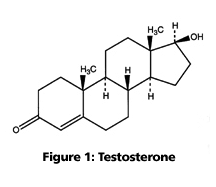
In essence, testosterone is a steroid hormone. The changes and benefits it triggers in the body are detailed right over here. The average male human creates 7mg of testosterone per day, but there are actually three different types. Not all of it is usable by the body, or at least not to produce the effects you’re probably looking for.
 Free Testosterone
Free testosterone is so named because it has no attached proteins. It’s free to float through the bloodstream, and isn’t bonded to any other molecules. Free testosterone is the type of testosterone that has all those great physical and mental benefits, because it’s able to roam our bodies and activate receptors in various cells. Even though this is the kind of testosterone we think of as the most beneficial, it has the smallest concentration of the three. It only comprises about 2%-3% of our total testosterone levels. Everything we do for testosterone production is really meant to increase free testosterone, but the best way to do that is to raise our overall levels.
 SHBG-Bound Testosterone
This type of the male hormone makes up about 40%-50% of our total testosterone levels. It’s bound to SHBG (sex hormone-binding-globulin), which is a protein produced in the liver. It regulates the amount of free testosterone in the body. SHBG-Bound Testosterone is what’s known as “biologically inactive”, meaning it doesn’t actually have any other effect in our bodies beyond helping regulate our total levels. This type of T doesn’t have harmful effects either, but it is why a man might test with adequately high testosterone levels but still experience the symptoms of testosterone deficiency.
 Albumin-Bound Testosterone
This makes up the remainder of our total testosterone. It’s bound to the protein albumin, which is also produced in the liver. Its function is to stabilize fluid volumes between our cells. Albumin-Bound Testosterone is also biologically inactive, but unlike the SHBG-Bound variety, its bond can be broken. That converts it back into free testosterone, making the stuff sort of testosterone reserve supply.
About 95% of our testosterone is produced in the testicles. The rest is made in our adrenal glands, which is why the hormone is present in women as well. For men, though, it’s almost entirely the testicles.
It’s a pretty complex process that results in the male hormone. Learn about testosterone production in this basic rundown:
 The hypothalamus (part of the brain) secretes gonadotropin-releasing hormone. This stuff loops around to the back of the brain and hits the pituitary gland.
 The pituitary gland receives the gonadotropin-releasing hormone, and responds by producing two more hormones. Follicle-stimulating hormone (FSH) and luteinizing hormone (LH). Both of these natural chemicals enter the bloodstream and make their way to the testicles.
 Once they’ve arrived down there, the FSH and LH do two different things. FSH initiates sperm production (important!), while LH kicks off testosterone production (just as important!)
 The actual cells that create the testosterone are called Leydig cells. They work by converting cholesterol into testosterone. That cholesterol literally comes from the bloodstream, which is why a healthy level of T can actually improve your heart health. It’s also the reason eating eggs is so beneficial to testosterone levels!
 During testosterone production, it’s released by the testicles into the bloodstream. Most of the stuff attaches to SHBG and albumin, nullifying its effects. It’s the small amount that remains free that aids our strength, focus, sexual drive, and all the other great benefits of testosterone.
Here’s a handy chart of the HPA-axis:
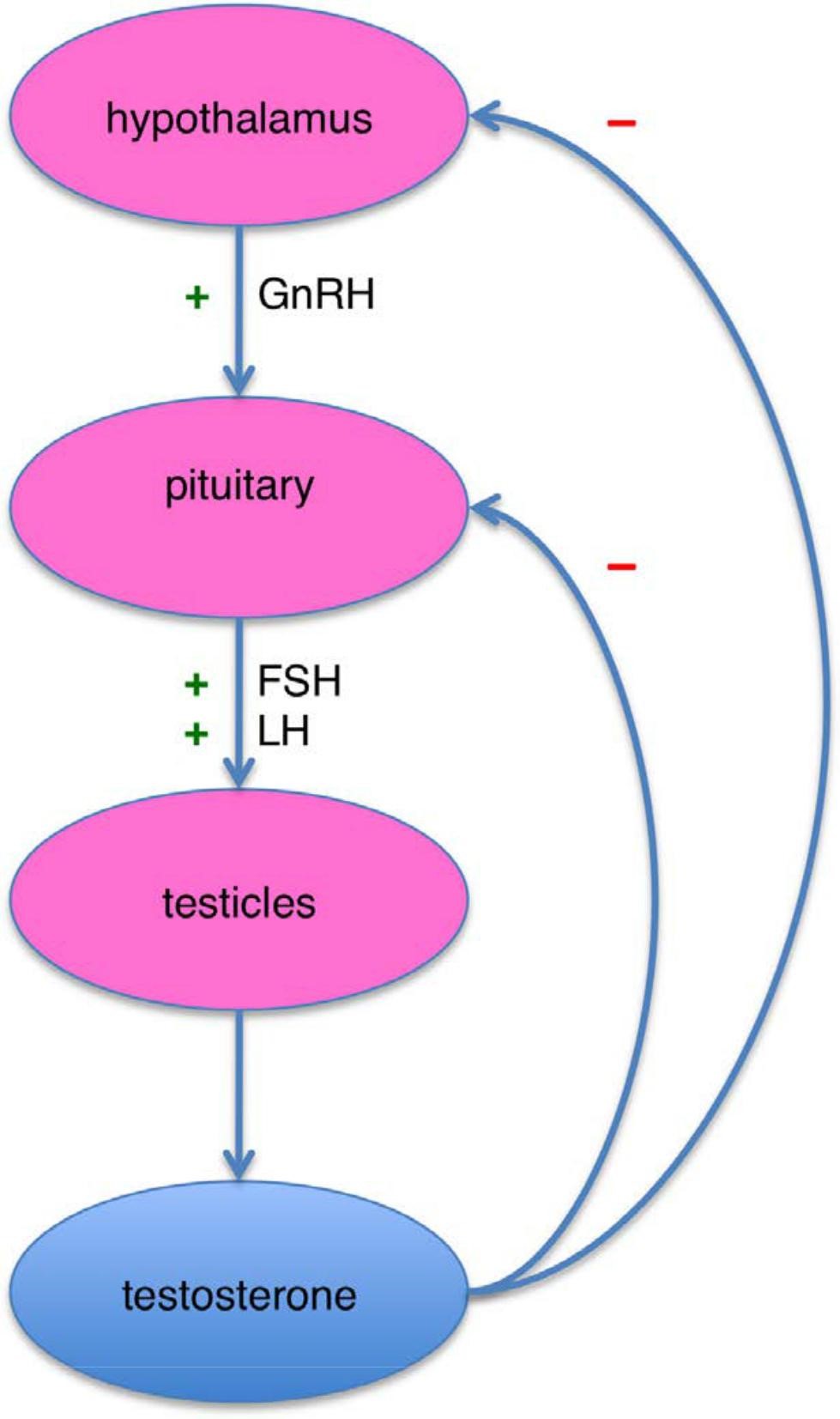
Image source: Wikipedia
In essence, testosterone is a steroid hormone. The changes and benefits it triggers in the body are detailed right over here. The average male human creates 7mg of testosterone per day, but there are actually three different types. Not all of it is usable by the body, or at least not to produce the effects you’re probably looking for.
Hormone Therapeutics aims to help people looking to improve and optimize their health through natural means or through the guidance of our physicians.
Don’t miss out our free weekly tips and news on Low T, hormone balancing, healthy living, nutrition and a lot more.
Want more?

Sign up today and Get our ebook, ‘Naturally Increase Your Testosterone Levels’ absolutely FREE.
Here’s What You Should Know about Testosterone Production
Saleamp Design November 4th, 2016
Posted In: Low T Info
Tags: albumin, biologically available, Follicle Stimulating Hormone, free testosterone, FSH, GnRH, growth hormone, HPA axis, hypothalamus, LH, low t, Luteinizing Hormone, pituitary, sex hormone-binding-globulin, SHBG, testicles, testosterone, testosterone levels, testosterone production
Here’s What You Should Know More about Testosterone Levels
 How Do I know my Testosterone levels?
With all this information on testosterone and the benefits of maintaining proper testosterone levels, you might be wondering about the specific testosterone levels you have seen. What is a normal testosterone levels? How much testosterone are you supposed to have, and how do you find out your current level? Well, it’s a tricky question. Part of the problem is that despite years of efforts and calls for action, hormone testing is still not universally standardized.
There has been positive movement towards a standard set of testing, but we’re not there yet. The other issue is that many doctors don’t agree on just how much testosterone a person, male or female, should have in their bodies. There is a rough “normal range”, but some doctors seem to play a little fast and loose with the low and high ends of the range.
Many doctors and labs don’t take into account factors like age and physical condition, and it means that you might have to do some research on your own or see a specialist to really understand your testosterone situation.
 Flaws in the Accepted Blood Testing System
LabCorp uses a Total Testosterone range of 348 – 1197 ng/dl (nanograms per deciliter). According to this reference range, one man with a 355 ng/dl would be considered normal while his neighbor at 345 ng/dl would be considered to have low testosterone and if they were lucky their health insurance would cover Testosterone Replacement Therapy. Also, a neighbour across the street might have a Total Testosterone level of 1150 ng/dl and he would also be considered normal like the man with a 355 ng/dl. Only a few years ago LabCorp and the insurance companies considered 249 the lower end of normal rather than 348.
The biggest problem comes when age is not factored into the analysis and 355 ng/dl is considered normal whether the patient was 20, 40, 60 or 80?! It also does not matter if the patient was obese, super fit, thin, had a pituitary gland issue or exhibited any of the symptoms of low testosterone?!?!
 This is why having an excellent medical team to assess your blood tests, physical and medical history is critical. We rarely know what our baseline was from age 19 and everyone has their own sweet spot across Testosterone and all of the other hormones.
The fact that reference ranges don’t break patients down by age or health status explains why a 30-year-old man can go to his doctor with all of the symptoms of low T, only to be told that his T levels are fine because they’re within the “normal” range. If you’re 30 (or even 50), but have the same testosterone level as an 80-year-old, diabetic man, your doc may say you’re okay, but you’re still not going to feel good. Plain and simple.
Contact Hormone Therapeutics to get blood tested and a Physician evaluation of your results and treatment options!
Reference Ranges for Testosterone Levels in Men
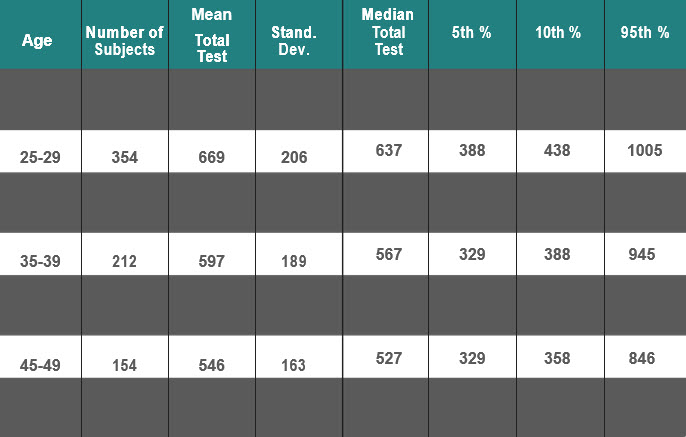
So, in the interests helping you with of self-directed research, here are average testosterone levels for men up to age 54. The figure to pay attention to here is “Mean Total Test”, which is the average level for men of that age. This data is taken from a 1996 study involving hundreds of participants.
If you have your testosterone levels tested and your levels are approximately at the mean level for your age, then you probably don’t suffer from low testosterone.
Optimal Testosterone Levels
 Of course, just because you’re not suffering from medically low testosterone doesn’t mean you wouldn’t benefit from more. Those numbers are the average levels only, not the best levels. Research hasn’t determined a hard and fast rule for the optimal levels of testosterone. Some men are fine at the low end of the normal range, while others need to be at the very top to feel their best. What’s normal and what’s optimal?
Anecdotal evidence shows that many men start to feel the effects of low testosterone at the 500 ng/dl mark. Although this shouldn’t be taken as gospel, it does seem that staying above 500 ng/dl is a good idea for most men.
Overly high levels of testosterone typically aren’t something people need to worry about. Although there are detrimental effects to having too much testosterone, such as thick blood and sleep apnea, excess testosterone isn’t a common condition. To be sure, it’s highly unlikely that anyone would reach those levels by following the natural and food-based advice listed here.
How to Test Your Testosterone Levels
Contact Hormone Therapeutics for a Free Low T evaluation and if you exhibits symptoms we will set up your comprehensive blood tests. Contact us right now!
Hormone Therapeutics aims to help people looking to improve and optimize their health through natural means or through the guidance of our physicians.
Don’t miss out our free weekly tips and news on Low T, hormone balancing, healthy living, nutrition and a lot more.
Want more?
Sign up today and Get our ebook, ‘Naturally Increase Your Testosterone Levels’ absolutely FREE.
Here’s What You Should Know More about Testosterone Levels
Saleamp Design November 1st, 2016
Posted In: Low T Info
Tags: blood test, blood tests, doctor, free evaluation, free testosterone, growth hormone, HGH, low t, low t doctor, low t physician, low testosterone, normal levels, physical exam, physician, pituitary gland, testosterone, testosterone levels, Total Testosterone
11 Top Natural Herbal Testosterone Booster Today
Although there are literally hundreds of ways to boost and maintain your testosterone levels (check out our 99 point list!), one of the most efficient can be herbal testosterone booster. It’s important to know what you’re buying and make sure there’s some science behind the herbs you take. There are some fads and fakes out there, of course, but there are also plenty of testosterone supplements that the FDA does not regulate and can promise you anything. Here is a list of natural solutions that have been used for thousands of years.
Popular Natural Herbal Testosterone Booster
Here are 11 of our favourite herbal testosterone booster. Rather than sticking with one, we recommend cycling. Get a bottle of one, and when it’s done, try something else. You’ll quickly figure out what works best for your body, and changing things up will actually let them work better. Learn to listen to your body!
 Herbal Testosterone Booster #1: Malaysian Ginseng (Eurycoma Longifolia)
This well-known herbal testosterone supplement is native to Malaysia, Indonesia, and Vietnam. In the past, it has been used to treat malaria, diabetes, and even high blood pressure. The science is out on that, but recent research has shown that it does stimulate testosterone production.
Consult a medical professional before taking Malaysian Ginseng, as excessively large doses can cause organ damage.
 Herbal Testosterone Booster #2: Puncturevine (Tribulus Terrestris)
This tropical plant is found growing in America, Europe, Asia, Australia, and Africa. Traditional medicine has used puncturevine to treat testosterone for many years, and modern science has tentatively supported the application. Some studies have shown that it increases testosterone enough to treat erectile dysfunction in animals, but human trials are still inconclusive.
Puncturevine can be taken as a pill or be used to make tea. As with all of these herbs, consult a doctor or medical professional before beginning a supplement regimen.
 Herbal Testosterone Booster #3: Ashwagandha (Withania Somnifera)
Ashwagandha has been known and used for thousands of years in Ayurvedic (traditional Indian) medicine. The Ayurvedas use it as a testosterone supplement to treat infertility and erectile dysfunction. It has found renewed popularity today, and can be found in pill or tea form.
A study conducted in India concluded that Ashwagandha does improve sperm count and testosterone levels. Check with your doctor or medical professional before taking Ashwagandha, but it is highly recommended.
 Herbal Testosterone Booster #4: Yohimbe (Pausinystalia Yohimbe)
The testosterone supplement known as Yohimbe is actually made from the bark of the West African yohimbe tree. The bark is renowned for its aphrodisiac qualities, and is still used to this day for sexual and erectile problems. Modern research supports the claim, and found that it does reduce sexual dysfunction. It can safely be taken concurrently with SSRIs, which can sometimes cause problems with libido and sexual desire.
Yohimbe may be taken as a tablet or tea. It is available in prescription strength, as it is approved by the FDA to treat sexual problems and low testosterone.
 Herbal Testosterone Booster #5: DHEA (Dehydroepiandrosterone)
DHEA is naturally produced by the human body, and is a crucial part of the testosterone production process. The hormone is made by the adrenal glands and converted into both estrogen and testosterone.
Low DHEA production is one potential cause of low testosterone levels, and supplementing it is indicated in some cases. Studies have shown that taking 50mg of DHEA each day improved their ability to maintain an erection. More studies are currently underway to determine if DHEA does, in fact, raise testosterone levels.
It is important to closely monitor the dosage of DHEA with the aid of a doctor, as it can reduce HDL (good) cholesterol.
 Herbal Testosterone Booster #6: Pine Bark Extract (Pinus Pinaster)
Made from the bark of Mediterranean pine trees, pine bark extract can be effective in lowering cholesterol, improving heart health, and treating erectile dysfunction. Recent research has shown that combining pine bark extract with L-arginine has a positive effect on testosterone production.
Pine bark is an over the counter herbal extract, but it’s still advisable to check with a doctor for any potential interactions. Dosages can range from 200mg to 300mg, or even higher depending on the specific case being treated.
 Herbal Testosterone Booster #7: Arginine (L-arginine)
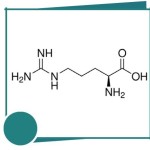
L-arginine is an amino acid that was first discovered in the 1880s. It actually does not boost testosterone on its own, but can be taken along with pine bark extract for potential beneficial effects. L-arginine can also be used to treat some symptoms of low testosterone by improving blood flow throughout the body.
L-arginine is available over the counter, with dosages ranging from 400mg to 6,000mg. A doctor can help determine the best dosage for your situation.
 Herbal Testosterone Booster #8: Zinc
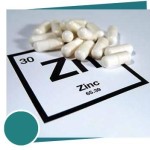
Zinc is an important micronutrient that the body needs but does not produce naturally. Most people get enough zinc through food, but it can be helpful to supplement it as well. Zinc deficiency is a known cause of low testosterone, so zinc supplements can be very helpful in raising testosterone levels.
Zinc overdose can cause serious damage to the body in both short and long term, so consult with a medical professional before starting this or any supplement regimen.
 Herbal Testosterone Booster #9: Garlic (Allium sativum)
Yes, good old tasty, smelly garlic is extremely good for you! The health benefits of garlic have been known for centuries and confirmed in recent years. It treats a variety of blood ailments, including high blood pressure and hardened arteries.
A study conducted on rats found that garlic combined with a high-protein diet would stimulate increased testosterone production. Human testing hasn’t progressed far yet, but garlic is harmless and healthy. And delicious! Eat up!
 Herbal Testosterone Booster #10: Korean Red Ginseng (Panax ginseng)
Also known as Chinese Ginseng, this is an unprocessed type of ginseng that actually grows all across Asia. The taproot of plants over 6 years old can be processed into supplements, including liquid extracts, pills and tea.
Studies are still being performed on Korean Red Ginseng, but in general they point to its efficacy in treating erectile dysfunction. That’s a common symptom of low testosterone, so the herb should have a place in the supplement cycle of anyone who is looking to raise their testosterone levels.
Research hasn’t shown any side effects or interactions of Korean Red Ginseng, but it’s still a good idea to check with a doctor first before starting this or any supplement.
 Herbal Testosterone Booster #11: Chrysin (Passiflora incarnate)
Chrysin is a naturally occurring flavonoid found in honey, propolis, and especially in blue passionflower. Chrysin supplements can be taken as a tea or pill, and typically consist of dried passionflower leaves.
Research studies dating back to 2001 have established Chrystin as eective in boosting testosterone production, as well as sperm count and motility, in rats. In humans, the science is a little less firm, but work is still underway. One issue is that Chrysin isn’t absorbed by the human body very well. It’s possible that a new form of the supplement may arrive in future that is more bioavailable.
Hormone Therapeutics aims to help people looking to improve and optimize their health through natural means or through the guidance of our physicians.
Don’t miss out our free weekly tips and news on Low T, hormone balancing, healthy living, nutrition and a lot more.
Want more?
Sign up today and Get our ebook, ‘Naturally Increase Your Testosterone Levels’ absolutely FREE.
11 Top Natural Herbal Testosterone Booster Today
Saleamp Design October 28th, 2016
Posted In: Testosterone Therapy
Tags: arginine, ashwagandha, chrysin, DHEA, garlic, herbal testosterone booster, korean red ginseng, malaysian ginseng, natural testosterone booster, pine bark extract, puncturevine, testosterone booster, testosterone herbs, testosterone nutrients, yohimbe, zinc
Do Testosterone Supplements Work?
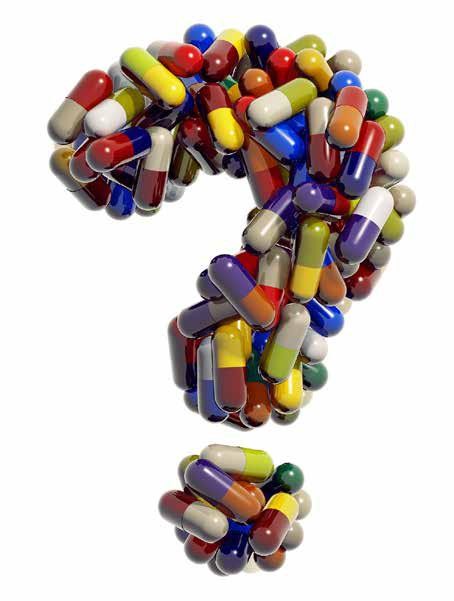 Are testosterone supplements truly effective? Sadly no. Many guys think they can just pop a few “natural enhancers” and their T levels will magically increase. If you’re eating garbage, not exercising, and not getting enough sleep, no amount of testosterone supplements is going to help your testosterone levels reach optimal levels.
Does the FDA Approve or Test Testosterone Supplements?
No. Supplement manufacturers, and distributors, have no FDA testing or approval requirements. Since there is no testing, there is not the same type of oversight on medications that go through rigorous testing programs before it can be released to the public.
These rigorous testing programs also limit what pharmaceutical companies can and cannot say when marketing their products which oversight supplement companies do not have to worry about. When Hormone Therapeutics prescribes Testosterone and other hormones these products are created and tested in sterile laboratories and marketing regulations are very specific on what one can and cannot say as far as the efficacy of the product. A Supplement firm is only responsible for ensuring, ON THEIR OWN, that:
- The testosterone supplements are safe
- Claims are not false or misleading
- The supplement complies with FDA regulations
Essentially, they are allowed to police themselves and only under scrutiny if someone complains.
Testosterone Supplements We Believe In
 Vitamin D3
Vitamin D3 is actually a hormone and not a vitamin. Vitamin D3 provides a whole host of health benefits. We naturally make vitamin D from the sun, but only when we are outside. Studies are showing we getting sub deprived as Westerners spend more time inside. Sunscreen also inhibits vitamin D3 production which can hinder testosterone production. Studies have shown that men who take Vitamin D3 supplements see a boost in testosterone levels.
 Omega-3 Fish Oil
Fish oil lower SHBG and increase LH (Luteinizing Hormone) production. LH is the key precursor hormone triggering the gonads to produce testosterone. It’s a good fat and great for the heart.
 Whey Protein + Creatine shake
Whey protein in an unsweet coconut milk shake with a scoop of creatine is a good pre workout to fuel muscles and help them rebuild afterwards.
Testosterone Supplement We Deem Unnecessary
 Vitamin C
There are many internet ads touting Vitamin C’s benefits for “how to increase testosterone”. Most of us get enough Vitamin C from our diets and the only studies we found that showed Vitamin C increasing testosterone levels was in diabetic mice. So, if you are a diabetic mouse, up your Vitamin C.
Hormone Therapeutics aims to help people looking to improve and optimize their health through natural means or through the guidance of our physicians.
Don’t miss out our free weekly tips and news on Low T, hormone balancing, healthy living, nutrition and a lot more.
Want more?
Sign up today and Get our ebook, ‘Naturally Increase Your Testosterone Levels’ absolutely FREE.
Do Testosterone Supplements Work?
Saleamp Design October 25th, 2016
Posted In: Testosterone Therapy
Tags: creatine, FDA, fish oil, how to increase testosterone, Lutenizing hormone, Omega-3, SHBG, supplements, testosterone boosters, testosterone pill, testosterone supplements, vitamin c, vitamin D, whey protein
11 Testosterone Boosting Habits to Increase Testosterone and Live Longer
 It’s been well-established that testosterone has many benefits, and in order to enhance the production of T, here are concrete testosterone boosting habits you can take today. Reap those rewards from optimized testosterone level right now.
As you’ve seen, there are all sorts of ways to boost your testosterone levels over time. Supplements and dietary changes and exercises and a multitude of other healthy things to do. It can be a little overwhelming, though, so here’s a hit-list, with science to back them up.
Start these eight things right now, and your body and mind will thank you, profusely.
 Testosterone Boosting Habits #1: Eat!
There are loads of things you can eat to improve your health and testosterone levels, but one of the most efficient is dark chocolate. That’s good quality, low sugar, very dark chocolate, not something you picked up at the gas station. And not too much!
A Harvard University study showed that eating a regular-sized bar of dark chocolate about three times per month will do wonders for your blood. Chocolate is full of flavonoids which can reduce harmful clots and thin the blood, which is great for your blood pressure.
 Testosterone Boosting Habits #2: Love!
In the physical sense. Have sex! Grab your significant other and have a great time! The University of California proved what we already knew. Orgasms reduce stress. Stress is bad for you.
The study actually showed that having sex regularly will extend your life by two years or more, and they’ll be pretty sweet years. Sexual desire and testosterone go hand-in-hand, and increasing one will increase the other. It works both ways, and of course it’s fun!
 Testosterone Boosting Habits #3: Go Nuts!
Nuts are full of healthy fats, and snacking on them in moderation will boost your testosterone, heart health, and all sorts of other things. Monounsaturated fats such as those found in nuts make your heart safer by lowering your cholesterol.
A project undertaken at Loma Linda University in California concluded that we should eat nuts five days a week in order to extend our lives by about three years. Moderation is essential, of course, since nuts are extremely calorie-dense. Just a handful will do.
 Testosterone Boosting Habits #4: Drink! (Some)
Studies performed by Dutch researchers have shown that wine in moderation is very, very healthy. The science tends to go back and forth on this, but red wine especially is rich in antioxidants, resveratrol and polyphenolic compounds. Antioxidants are just super for reducing the effects of age, and the polyphenolic compounds prevent fatty tissues from blocking your arteries.
If you’re not quite sure which wine to drink, Cabernet Sauvignon is richest in antioxidants. Stick to red wine for the health benefits, and don’t have too much. The Dutch study says a half a glass of wine a day is enough. Drinking more than that is more for your mind than your body, and binging on a whole bottle is never a good idea.
 Testosterone Boosting Habits #5: Play!
Sports are good for you. Walking, running, and jumping are great exercise, and the competitiveness is an excellent testosterone booster. As the saying goes, the best exercise is one you’ll actually do, and making it fun by playing around with your friends (or defeating your bitter enemies) is something you’ll be glad to stick with.
A Swedish research study found that regular golfers live up to five years longer on average. The game is surprisingly competitive, and players walk several miles during an 18-hole round. It’s good for your heart, for your muscles, and for your mind.
 Testosterone Boosting Habits #6: Eat Some More!
A diet filled with fish, olive oil and garlic can help your blood pressure, cholesterol, and lifespan. It’s what’s commonly referred to as the Mediterranean diet, and the science shows it works. It was another Dutch research program that proved it, and they’re not even Italian! They’ve got no horse in this race!
These foods are all rich in aminos, healthy fats, and cholesterol-busting components that will keep your ticker ticking. And they’re delicious! So throw that fish in a pan and pile on the garlic, it’s all good for you.
There are plenty of other foods that will help your testosterone levels and general health, of course. Refer to our other articles for the full list of testosterone-boosting and healthy foods.
 Testosterone Boosting Habits #7: Lose!
Yes, lose weight, it’s another reason to drop those extra pounds.
What’s more, a study at Oxford University found that a BMI of over 30 at the age of 40 can reduce your life expectancy by as much as seven years. So hit the gym and cut the calories! It’s worth it.
 Testosterone Boosting Habits #8: Win!
Testosterone production starts in the brain, in a very literal sense. High emotions and a competitive spirit can trigger a testosterone and adrenaline boost as your body works to support your success.
So indulge the urge! Play to win in everything you do. Sports are one way, as is striving for success in the workplace and in your hobbies. Even just watching sports and rooting for your favorite team can cause increased testosterone levels. The more excited you get about it, the better for your testosterone. So feel free to bust out the face paint and even that giant foam finger!
 Testosterone Boosting Habits #9: Sleep!
Get your solid eight hours. You need it. Even minor sleep deprivation causes a cascade of health problems that include a tendency to binge eat and a lowered metabolism. Your sex drive will go down, too, and of course your general energy level and mental focus.
All of that leads to lowered testosterone production, and the numbers are shocking. The Journal of the American Medical Association published a study showing that men who sleep less than 5 hours per night quickly sure a 15% drop in testosterone. The normal drop that occurs with age is 1% per year, so this is a big problem.
Bottom line: Prioritize sleep. Make the time!
 Testosterone Boosting Habits #10: Laugh!
It really is the best medicine! Your mental state affects your entire body, and multiple studies have shown that stress is bad in more ways than we ever imagined.
So laugh! Have a good time! Studies performed in the US and elsewhere conclude that laughing for about 15 minutes per day can increase your lifespan by as much as eight years. It’ll make you a happier person, and it’s becoming more and more clear that a happier person is a healthier person.
So there are ten things you can start doing today to improve your health, your mood, and your testosterone levels. Those three things go hand-in-hand for men, and you’ll find that good healthy practices just make life better.
We strongly recommend going to the doctor for your annual physical, and be sure to have your testosterone levels checked. But there’s so much you can do at home to help make sure those lab results are full of good news.
 Testosterone Boosting Habits #11: Contact Hormone Therapeutics!
Most of us have tried to eat better, work out and live naturally. How long have you tried this and why do you expect that you can realize your New Year’s resolutions this year that you haven’t the last 7 years? Contact expert specialist physicians for a Free Evaluation and learn how a physician guided program can change your life to the way you remember.
Hormone Therapeutics aims to help people looking to improve and optimize their health through natural means or through the guidance of our physicians.
Don’t miss out our free weekly tips and news on Low T, hormone balancing, healthy living, nutrition and a lot more.
Want more?
Sign up today and Get our ebook, ‘Naturally Increase Your Testosterone Levels’ absolutely FREE.
11 Testosterone Boosting Habits to Increase Testosterone and Live Longer
Saleamp Design October 21st, 2016
Posted In: Uncategorized
Tags: antioxidants, boost testosterone, chocolate, cholesterol, dark chocolate, eat, exercise, fish, flavonoids, garlic, increase testosterone, lose weight, Monounsaturated fats, natural, naturally increase testosterone, nuts, olive oil, orgasm, polyphenolic compounds, red wine, rest, resveratrol, sex, sleep, stress, sugar, testosterone booster, testosterone boosting habits
Here’s What You Should Know on How Testosterone Replacement Therapy Works
 If you’ve been reading Hormone Therapeutics blogs and testosterone replacement therapy eBooks, you’re probably already completely aware of just how important testosterone is to male health. It boosts mental energy, physical energy, alertness, strength, sexual vitality, and just generally helps us live our lives better.
You might be wondering just how exactly it provides all these benefits, though. What’s the actual mechanism? What, precisely, does testosterone do?
The fact is, testosterone does all sorts of beneficial things in just about every part of the body. It’s a key hormone to maintaining our body systems, especially in men. Women actually also have small amounts of testosterone, but their bodies rely more on estrogen.
The importance of living with a fully functioning endocrine system has only really mattered this much in the past century as people are living longer due to improved medicine, sanitation and many other factors. 100 years ago the average life span was 48 and today it is 78 years. Many areas of the body do not hold up over time as well as others and require assistance like eye glasses, hearing aids or Lipitor. The same is true with balancing and optimizing the endocrine system through testosterone replacement therapy.
We now understand that a properly balanced endocrine system leads not just to the vanity aspects of it’s benefits but a healthier, happier, more effective and longer life.
Testosterone Replacement Therapy – How It Works
So to satisfy your scientific curiosity, here’s a high-level rundown of what testosterone does in men, across each main part of the body.
 The Endocrine System
The endocrine system is where our bodies produce hormones. It’s a series of glands distributed around various parts of the body that, as a whole, keep our hormone levels at their proper levels.
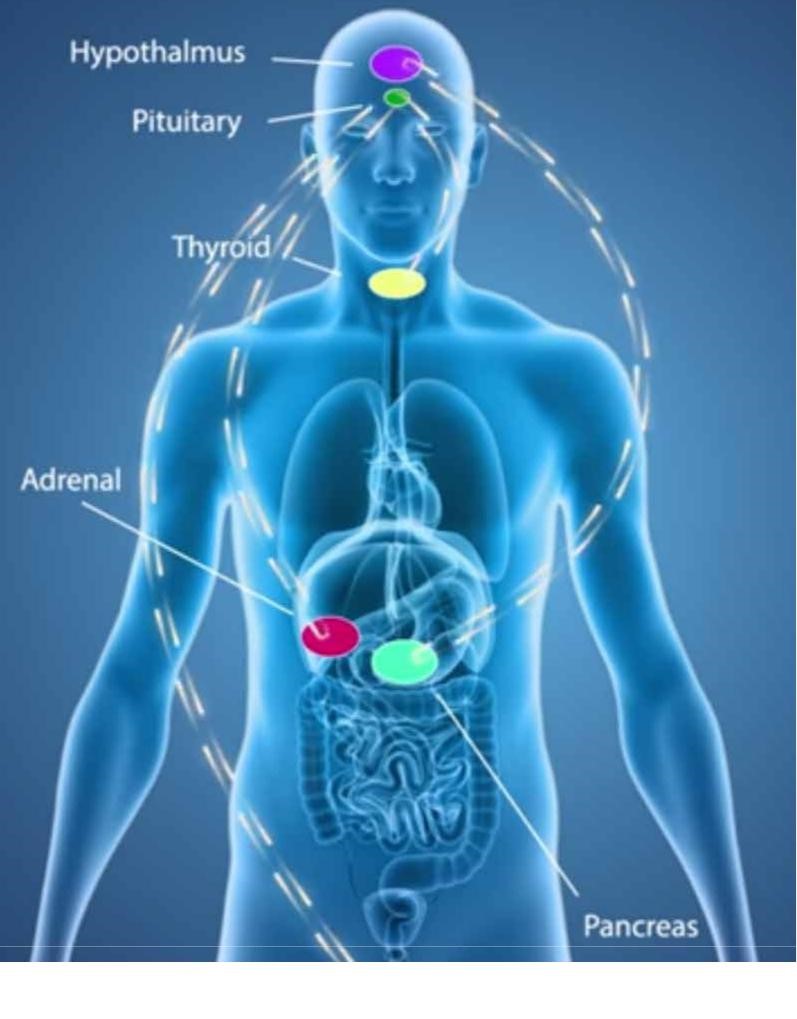
Testosterone is a hormone, so it’s also produced by the endocrine system. The process starts in the brain at the hypothalamus. The hypothalamus tells the pituitary gland what the body’s overall level of testosterone should be. The pituitary gland then directs the testicles and, to a lesser extent, the adrenal glands to actually produce the stuff. This is called the HPA axis.
This is where Testosterone levels can be thrown off. Typically, hypogonadism is to blame for low testosterone levels, and can cause a multitude of health problems. Although it’s normal for testosterone production to peak at 19 and drop gradually over time, about 1% per year after age 30, for some people it can fall too fast. In those cases, testosterone replacement therapy is indicated.
 The Reproductive System
Testosterone production starts in male children surprisingly soon after conception. A seven-week old fetus has already developed enough to begin producing the hormone, as well as sperm.
If testosterone levels are too low later in life, a man can suffer from erectile dysfunction, low sperm count, and even prostate problems. Its bad news, and it’s why testosterone replacement therapy is so important under the right circumstances for men in need of hormone balancing and testosterone supplementation.
 Puberty
Testosterone is responsible for male puberty, as well. It’s the reason we start growing hair in new places, our voice (and other things) drop, and our muscles start to develop.
When boys start to notice girls, that’s the work of testosterone, and it carries through later in life. Low testosterone levels can impact our libido, and it’s actually a two-way street. Periods of minimal sexual activity can actually cause testosterone levels to drop in response, which can cause erectile dysfunction and lowered libido. It’s a snake that eats itself, and it’s best avoided.
 The Central Nervous System
The central nervous system is how our body communicates with itself. It’s a network that lets glands and organs communicate to trigger production of hormones, among other things. Hormones, including testosterone, have all kinds of effects on the body and mind. Testosterone drives our competitiveness and self-esteem.
That means lowered testosterone levels can make us lose our motivation and spark. It can literally make us sad. Like sexual desire, it’s a two-way street. Engaging in competitive activities like sports can spike our testosterone, which in turn makes us more motivated to strive for success. Lowered testosterone can make us lose our motivation, and sitting around can further lower the testosterone levels.
 Skin and Hair
It starts at puberty. Hair starts growing in new and disturbing places. Pretty soon, we’ve got manly, hairy chests and armpits, as well as hair on points further south.
Testosterone is responsible for that, and lowered testosterone levels can have the opposite effect. Our body hair might actually start to fall out if testosterone gets too low!
The other thing about puberty, acne, is also an effect of testosterone. For that reason, you might need to stock up on some acne cream or gel when you’re undergoing testosterone replacement therapy. It’s a small price to pay for the benefits you’ll receive.
 Muscles, Fat, and the Skeleton
Testosterone is a major factor in the development of our muscles, both size and strength. Testosterone levels work to improve our muscles in a few different ways.
- It stimulates neurotransmitter production, which in turn tell our muscles to grow.
- It tells the nuclear receptors in our DNA to synthesize protection.
- It increases growth hormone levels
What that means overall is that testosterone makes strength training more effective. If you’re been hitting the weights and not seeing much gain, low testosterone levels might be to blame. The male hormone is also important to our skeleton. It increases bone density, and it’s what makes our bone marrow manufacture red blood cells. If you have low testosterone production, you might actually become more brittle and prone to fractures.
Finally, testosterone is important to burning fat, and low levels can be responsible for a higher body fat percentage.
Overall, testosterone levels are vital to your physical health.
 The Circulatory System
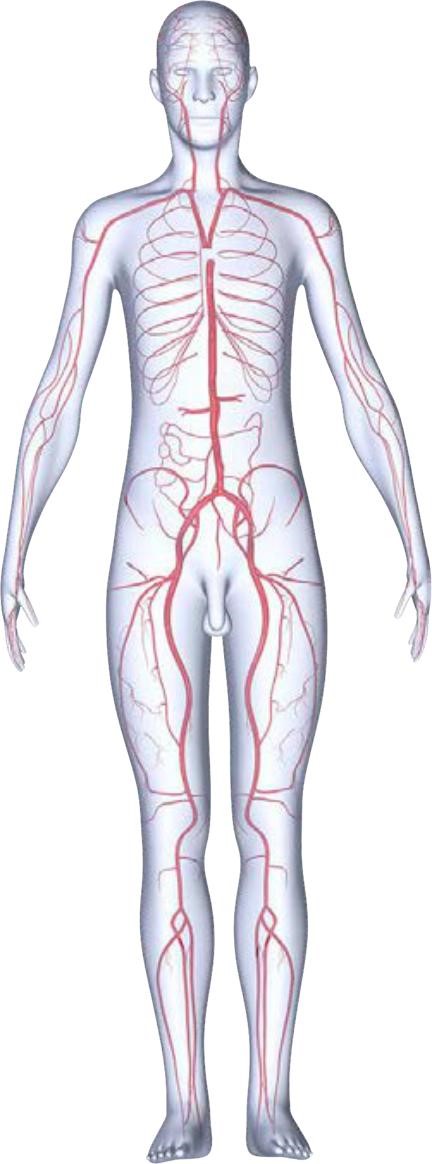
Finally, testosterone is crucial to the health of our blood. As mentioned, it improves our red blood cell count, which is a positive because it carries more oxygen throughout our body. However, a physician needs to monitor and manage red blood cell and hematocrit levels to ensure blood does not get too viscous.
Some studies have shown that testosterone replacement therapy can also make our hearts healthier. These studies suggest that the hormone is effective in reducing cholesterol and blood pressure. It can even help destroy harmful clots.
Although testosterone replacement therapy shouldn’t be undergone lightly and without the advice of a medical professional, its benefits are becoming more and more apparent. If any of the symptoms and problems mentioned in this article ring a bell for you, get in touch with a doctor today.
Hormone Therapeutics aims to help people looking to improve and optimize their health through natural means or through the guidance of our physicians.
Don’t miss out our free weekly tips and news on Low T, hormone balancing, healthy living, nutrition and a lot more.
Want more?
Sign up today and Get our ebook, ‘Naturally Increase Your Testosterone Levels’ absolutely FREE.
Here’s What You Should Know on How Testosterone Replacement Therapy Works
Saleamp Design October 18th, 2016
Posted In: Testosterone Therapy
Tags: adrenal, Andropause, cognitive, endocrine system, energy, fatigue, gonads, growth hormone, hair, HPA axis, hypogonadism, hypothalamus, libido, mental, muscles, pituitary, puberty, reproductive system, sex, skin, sperm, strength, testes, testosterone, testosterone levels, testosterone production, Testosterone replacement therapy, vitality
4 Popular Testosterone Myths Revealed
 When we talk about testosterone myths, this topic has its share of a bad rap as the “aggression” hormone that’s somehow the “root cause” of at least the majority of male-dominated social violence. While the absolutely invaluable evolutionary necessity of testosterone, along with its many evident positive effects, is indeed a primarily male-driven hormone that affects men in many of the ways we’ve previously discussed, it’s completely backwards logic to “blame” testosterone for the complex problem of societal violence (or the lack thereof for any absence of same).
In the US, we have also been raised to view “Steroids” through the lens of sports abuse and cheaters watching East German Olympians in the 80s and 90s, issues with Pro Wrestlers and sad stories from steroid abusers like Lyle Alzado. Steroids have certainly seemed like a very unhealthy lifestyle choice.
Things are different today as physicians and scientists have a much better understanding of the benefits of living with a fully functioning endocrine system. 100 years ago the average life span was 48 and today it is 78 years. Many areas of the body do not hold up over time as well as others and require assistance like eye glasses, hearing aids or Lipitor. The same is true with balancing and optimizing the endocrine system. We now understand that a properly balanced endocrine system leads to lower incidence of prostate cancer, stroke, heart attack and mortality.
Busted Testosterone Myths
So let’s take a clear-eyed look at a few of the testosterone myths that are at best based on specious reasoning and at worst, they’re almost completely devoid of scientific examination and study:
 Testosterone Myths #1: Testosterone Increases Lead to Prostate Cancer
This proverbial “old wives tale” began with a single study all the way back in 1941 that has since been roundly and soundly disproved many times over (multiple studies). We now know that men with normal testosterone levels have a lower incidence of prostate cancer than men with low levels. We also know that men supplemented from low testosterone levels to normal testosterone levels also have lower incidence of prostate cancer. If you are already undergoing treatment for a prostate condition, it’s always best to consult with your physician and inadvisable unless specifically guided to do so.
 Testosterone Myths #2: Increased Testosterone Leads to Violent Behavior
There is absolutely no empirical scientific evidence whatsoever to suggest that an all-natural increase in your testosterone level will lead to any violent or anti-social behavior. In fact, recent studies have shown that healthy social assimilation in all males is strongly linked to higher levels of testosterone, in comparison with males with lower levels. Of course random acts of violence committed by males addicted to anabolic steroids (commonly referred to as “roid rage”) has contributed to the complete fallacy that a natural increase in testosterone is somehow connected to this unfortunately all too common side-effect of steroid drug abuse. To be perfectly clear- An all-natural increase in testosterone will have no negative effect regarding violent behavior and will almost certainly lead to a much greater possibility of pro-social behavior and positive social success in all males.
 Testosterone Myths #3: Any Testosterone Increase Will Create Personal Social Conflict
Much like the previous example, this myth simply does not stand up under scrutiny. To the contrary, numerous scientific studies have shown that due to the measurable decrease in both concentration and libido associated with low levels of testosterone, men suffering from this condition are much more inclined to become socially frustrated and, as a result, are much more susceptible to bouts of clinical depression and accompanying depressive, anti-social behaviors.
A properly high level of testosterone, on the other hand, leads to much more properly adjusted mood management and an overall more satisfied, successful and social male!
 Testosterone Myths #4: Testosterone Treatment increases Cardiovascular Risk
A Swedish study tested the hypothesis that serum total testosterone and sex hormone-binding globulin (SHBG) levels predict cardiovascular events in elderly men. The study found that supplementing, and maintaining, testosterone reduces cardiovascular risks when the levels were maintained above 550ng/dl. The study also found negative correlation between testosterone levels are type 2 diabetes risk.
Hormone Therapeutics aims to help people looking to improve and optimize their health through natural means or through the guidance of our physicians.
Don’t miss out our free weekly tips and news on Low T, hormone balancing, healthy living, nutrition and a lot more.
Want more?
Sign up today and Get our ebook, ‘Naturally Increase Your Testosterone Levels’ absolutely FREE.
4 Popular Testosterone Myths Revealed
Saleamp Design October 14th, 2016
Posted In: Low T Info
Tags: aggression, anti-social, cardiovascular, death, depression, heart attack, prostate cancer, steroids, stroke, testosterone, testosterone myths, testosterone therapy, testosterone treatment, unhealthy, violence, violent
Top 7 Best Testosterone Boosting Foods
The proper, healthy Man Diet is absolutely key to not only good, sustainable health and longevity, but also to maintaining a viably productive and powerful testosterone level. And we say Man, because the nutritional facts are that we males require a distinctly differing amount of similar foods than the fairer sex, while also requiring a differing variety of the best testosterone boosting foods for our optimal testosterone health.
Seven Testosterone Boosting Foods You Should Include In Your Diet
Of course our Top 7 Superfoods are healthy and nutritious for everyone, but men in particular should pay special attention. Introduce these foods to your diet regimen, and you’ll feel the results right away.
 Testosterone Boosting Foods #1: Garlic
This Old School herb and Paleo-Superfood is perhaps one of the healthiest overall ingredients you can add to any diet regimen. Excellent as an immune system booster, garlic is an all-natural additive that has been shown to boost testosterone levels. In addition to its many health benefits, garlic is just plain delicious!
Pills and powders are OK, but eating real garlic is best.
 Testosterone Boosting Foods #2: Coconuts
A key source of healthy monounsaturated fats, the delicious coconut will help boost your testosterone levels without packing on the blubber. In addition, you need not worry over any negative cardiovascular effects from this hard-shelled, hairy nutrition monster. In smoothies, with desserts, in milks, coconuts are a reliable testosterone booster.
And don’t forget coconut oil as a cooking additive!
 Testosterone Boosting Foods #3: Avocados
A very simple equation is less cholesterol equals more testosterone, and the awesome avocado is a full of cholesterol-busting good fats that will allow the testosterone to grow, as well keep your arteries in good working order.
 Testosterone Boosting Foods #4: Grapes
Grape skins are loaded with all-important resveratrol (a plant-based polyphenol), which plays a crucial role in overall sperm health and motility with a corresponding increase in Testosterone levels. In addition, emerging research is finding that resveratrol, taken in large amounts, just may be a longevity super-additive. So eat grapes and live longer and healthier.
 Testosterone Boosting Foods #5: Red Meat
A very simple equation is less cholesterol equals more testosterone, and the awesome avocado is a full of cholesterol-busting good fats that will allow the testosterone to grow, as well keep your arteries in good working order.
 Testosterone Boosting Foods #6: Honey
An excellent sugar substitute, honey is loaded with nitric oxide and boron, an important testosterone boosting mineral. Nitric Oxide is the key ingredient to many ED drugs as it dilates the blood vessels and promotes better blood flow for an erection.
 Testosterone Boosting Foods #7: Eggs
As we previously mentioned, the Omega-3 rich egg is also a protein powerhouse and a sure testosterone firecracker!
Here is one extra one that doesn’t boost testosterone but helps you manage your Estrogen levels!!
Cabbage is rich in indole-3-carbinol, a metabolic chemical that effectively flushes any floating estrogen from your system and as a result, lets your testosterone run wild. It doesn’t matter if your tastes run to kimchi or corned beef and cabbage. Just get that leafy goodness in you!
Hormone Therapeutics aims to help people looking to improve and optimize their health through natural means or through the guidance of our physicians.
Don’t miss out our free weekly tips and news on Low T, hormone balancing, healthy living, nutrition and a lot more.
Want more? 
Sign up today and Get our ebook, ‘Naturally Increase Your Testosterone Levels’ absolutely FREE.
Top 7 Best Testosterone Boosting Foods
Saleamp Design October 11th, 2016
Posted In: Low T Info
Tags: alcohol, avocadoes, beer, booze, coconut, compete, eggs, fats, fish, garlic, grapes, gym, HIIT, honey, natural testosterone booster, natural testosterone therapy, Omega-3, peanuts, red meat, rest, romance, sex, sleep, soda, strength, sugar, sunlight, sweets, testosterone boost, testosterone boosting tips, testosterone enhancement, vitamin D, workout
9 Points on Testosterone Deficiency Scientists Agree on
A group of Physicians, Scientists, researchers and Testosterone Replacement Therapy experts convened in Prague, Czechoslovakia to discuss the concerns and miscommunication surrounding treatment of Testosterone Deficiency. The group developed a set of resolutions and conclusions to establish a set of agreed principles for physicians, patients and governing agencies. The experts concluded nine resolutions with unanimous approval. The conference details and conclusions were published in a Mayo Clinic Proceedings report.
Intense media attention around testosterone therapy has risen due to a recent report suggesting increased heart-related risks associated with testosterone treatment. “The importance of this meeting was to set aside the various distortions and misinformation that have appeared regarding testosterone therapy and to establish what is scientifically true based on the best available evidence,” said Abraham Morgentaler, MD, chairman of the consensus conference. Morgentaler is the Director of Men’s Health Boston and an Associate Clinical Professor of Urology at Beth Israel Deaconess Medical Center and Harvard Medical School.
Testosterone Deficiency Conclusions
The group convening in Prague to examine the best available scientific evidence included experts with specialties in urology, endocrinology, diabetes, internal medicine, and basic science research—agreed on the following:
Testosterone Deficiency is a well-established, clinically significant medical condition that negatively affects male sexuality, reproduction, general health and quality of life.
Symptoms and signs of Testosterone Deficiency occur as a result of low levels of testosterone and may benefit from treatment regardless of whether there is an identified underlying origin.
Testosterone Deficiency is a global public health concern.
Testosterone therapy for men with Testosterone Deficiency is effective, rational, and evidence-based.
There is no testosterone concentration threshold that reliably distinguishes those who will respond to treatment from those who will not.
There is no scientific basis for any age-specific recommendations against the use of testosterone therapy in adult males.
The evidence does not support increased risks of cardiovascular events with testosterone therapy.
The evidence does not support increased risk of prostate cancer with testosterone therapy.
The evidence supports a major research initiative to explore possible benefits of testosterone therapy for cardio-metabolic disease, including diabetes.
“It will be surprising to those unfamiliar with the literature to learn how weak the evidence is supporting the alleged risks of cardiovascular disease and prostate cancer,” said Michael Zitzmann, MD, vice-chair of the conference and a Professor in the Centre for Reproductive Medicine and Andrology at the University of Muenster in Germany. “Indeed, there is substantial data suggesting there may actually be cardio-protective benefits of testosterone therapy.”
“The medical and scientific communities are still largely unaware of the major negative impact of testosterone deficiency on general health,” added co-author Abdulmaged Traish, PhD, a Professor of Urology at Boston University Medical Center. “The media-driven focus on unproven risks has obscured the known health risks of untreated testosterone deficiency: obesity, reduced bone mineral density, and increased mortality.”
9 Points on Testosterone Deficiency Scientists Agree on
Saleamp Design October 7th, 2016
Posted In: Health & Wellness, Low T Info, Testosterone Therapy

